New Lives in the Wild - Plot Holes
The Story You Didn’t See
(Or: everything that didn’t fit into 44 minutes of television)
We are deeply grateful to have shared a small window of our lives on New Lives in the Wild. But television, by its nature, compresses decades into minutes. Time runs out. Weather moves in. Storylines narrow. And sometimes real life—messy, layered, and slow—doesn’t fit neatly into a single narrative arc.
This page exists to fill in the gaps. Not to correct the show, but to add the context that didn’t make the edit.
1. What Elev8150 actually is (and isn’t)
Let’s start with the most important clarification:
We are not building a traditional ski resort.
There will be no ski lifts. No luxury spa. No shopping village. No velvet ropes.
Elev8150 is a mountain basecamp—a place to eat, sleep, gear up, and get back outside. Our lodging, restaurant, and tiny homes are intentionally rustic and simple, because the mountains are the destination, not the buildings.
We also plan to host a very small number of guests per year. This is not a volume business.
Our philosophy is simple: less is more.
2. Why this place exists at all: recreation
One of the biggest omissions from the show is that we didn’t come here just to build—we came here to live.
Recreation is not a side benefit. It is the reason we are here.
Our everyday life includes:
Backcountry skiing
Snowmobiling
UTV riding
Hiking
Stargazing
Whitewater rafting and kayaking
Jet skiing
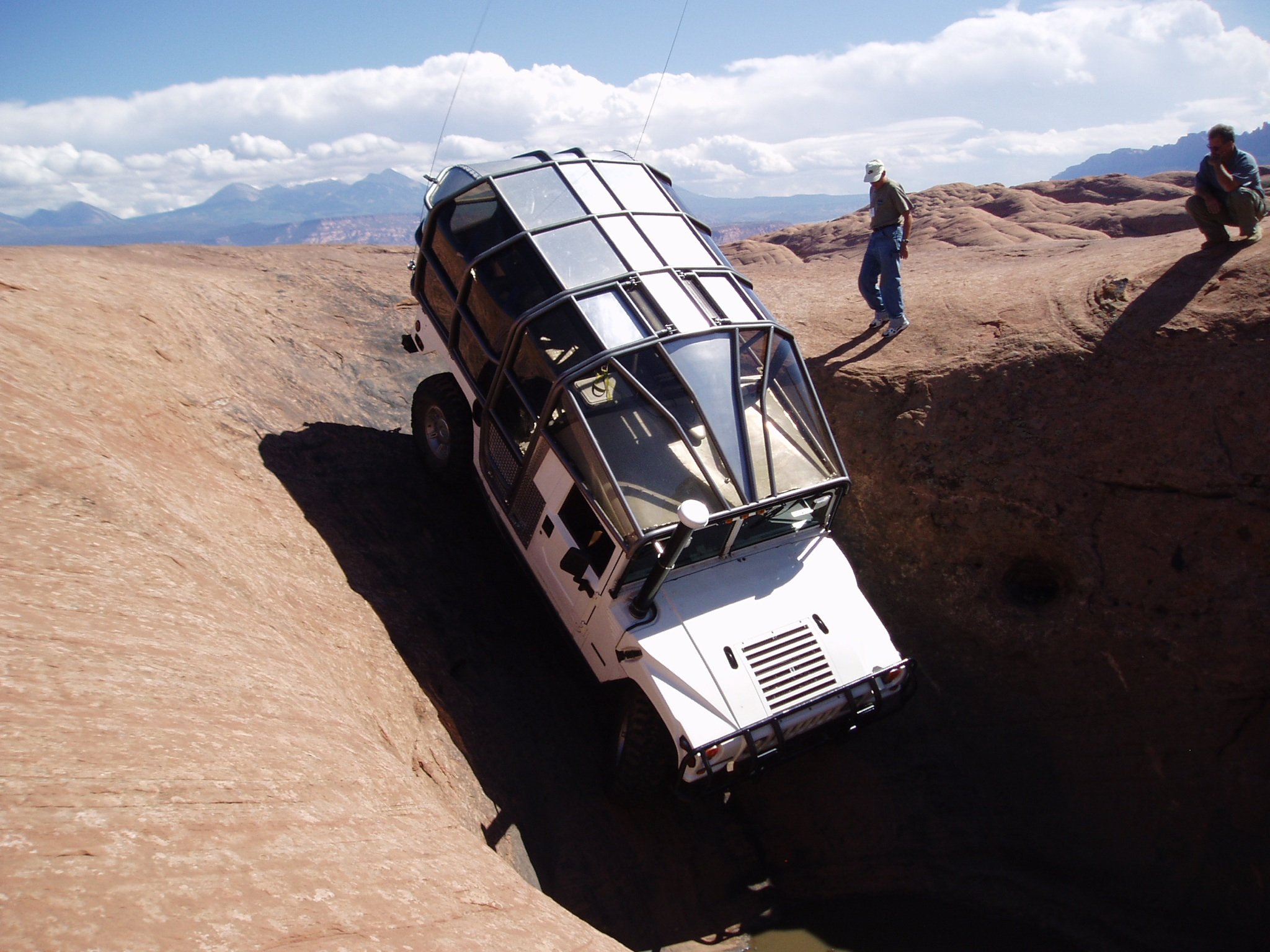
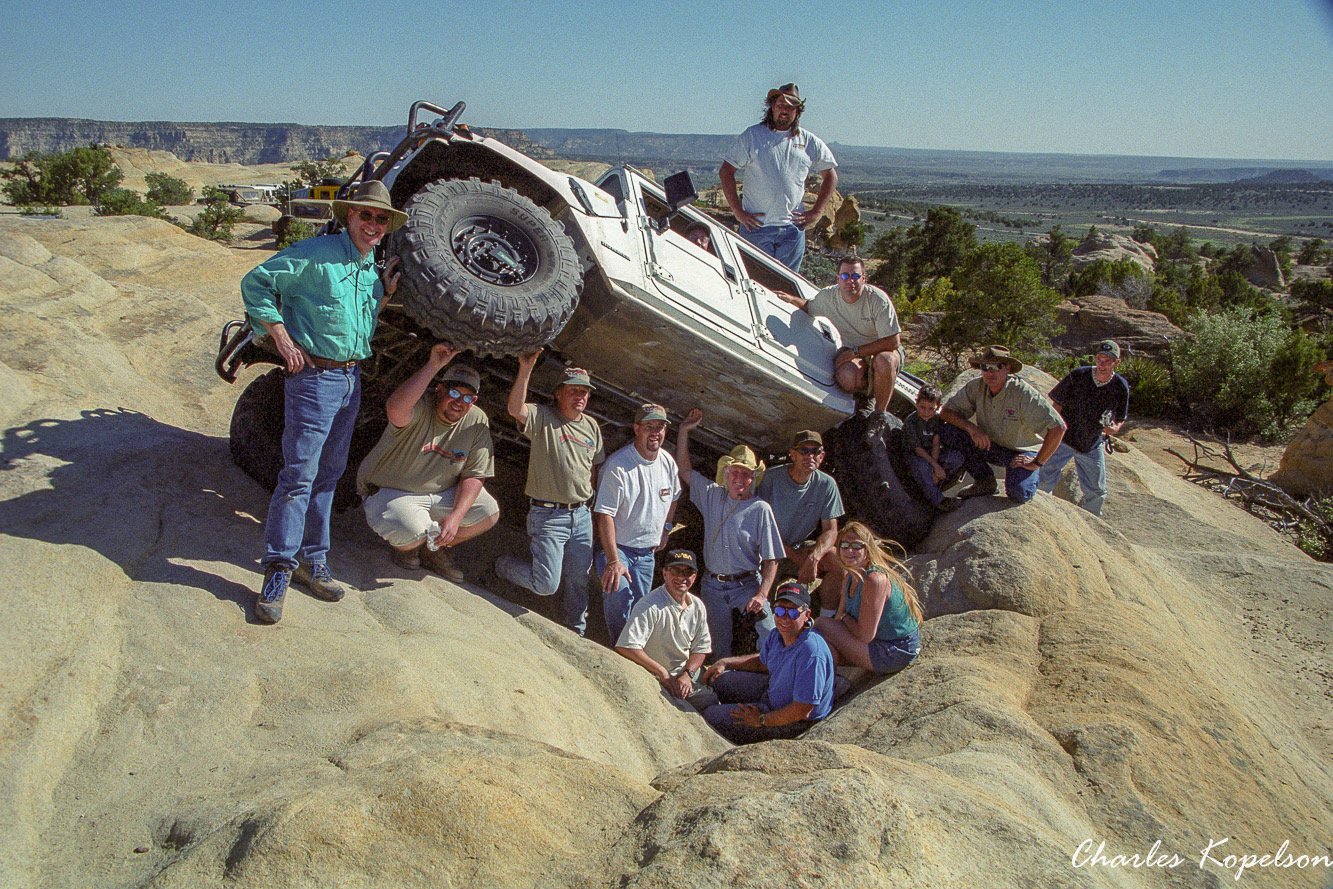
4x4 / rock crawling
Hunting
Big game watching
Camping
We own the equipment. We use it. Constantly.
None of this was filmed due to time constraints or narrative focus—not because it isn’t central to our lives. And yes, this is also why construction sometimes pauses. Powder days still win.
3. This was Alisa’s dream
This project did not start with Brandon.
It started with Alisa.
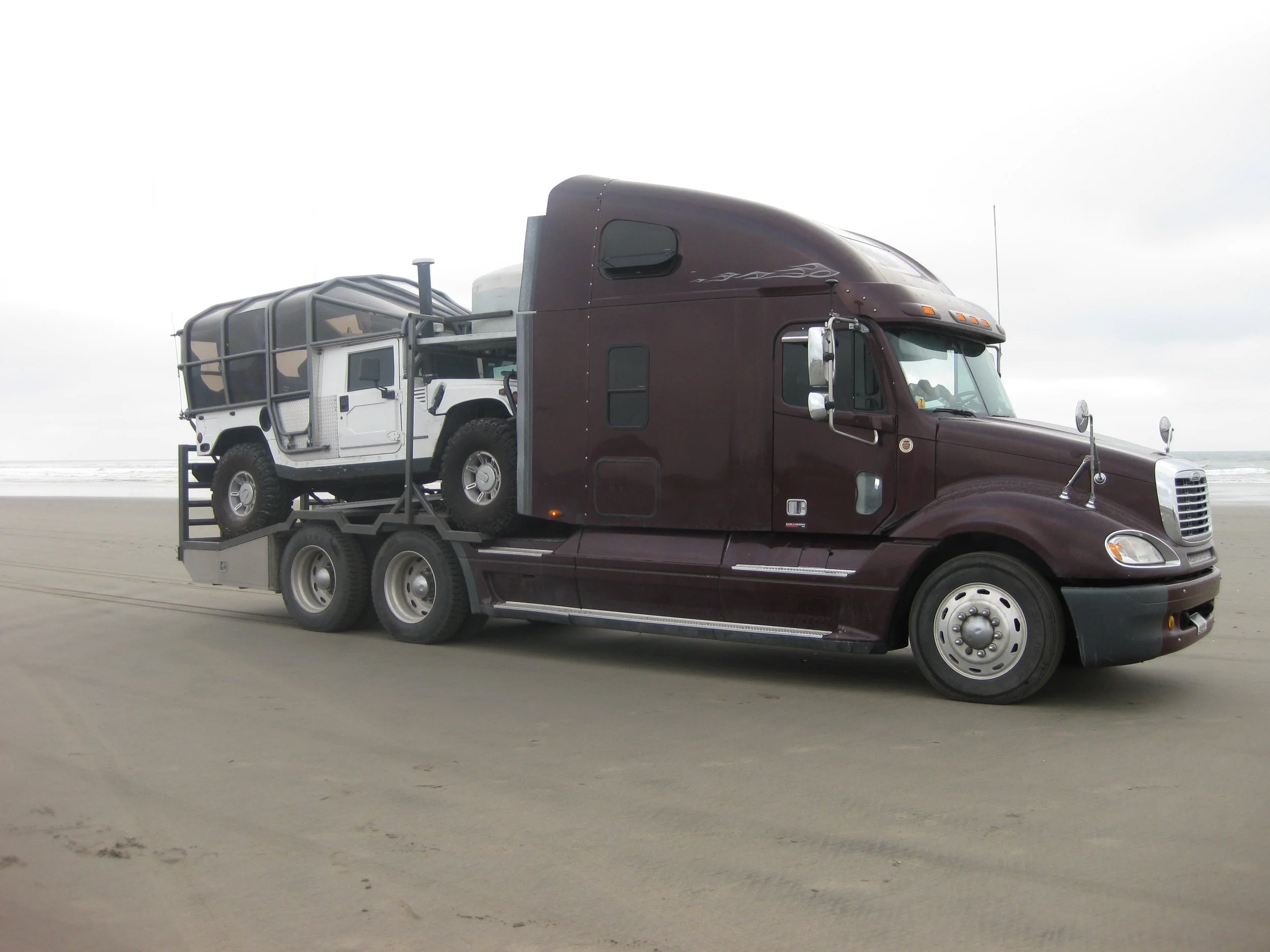
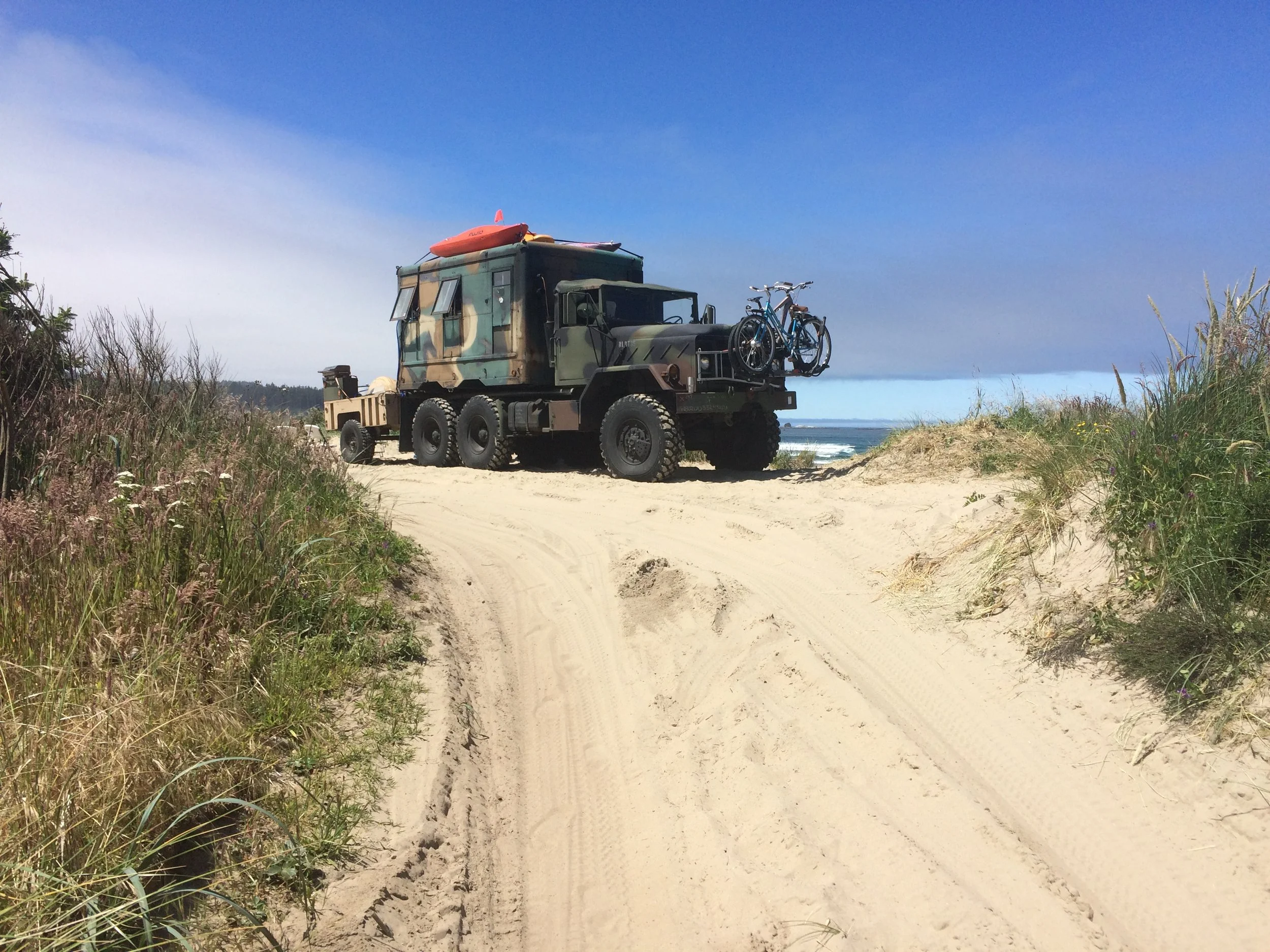
She wanted land that matched our family’s outdoor, seasonal lifestyle. At the time, Brandon was already renting a shop and building expedition 5-ton vehicles. He dropped everything to help build her vision.
Elev8150 exists because of partnership, not ego.
4. The kids want this even more than we do
This is not a case of parents forcing a lifestyle.
The kids want this—deeply.
For them, Elev8150 is a real-world playground where seasons matter, skills matter, and life feels tangible. We sent Alayah off to learn her culinary craft knowing she might never come back.
She came back because there isn’t a lot of everyday adventure in the “normal” world.
That tells you everything.
5. We are debt-free
At the moment, we are completely debt-free.
If we stopped building tomorrow and never finished Elev8150, we would still be fine heading into retirement. This project is not a financial Hail Mary.
It exists for our children and future generations—not because we need it, but because we believe in it.
6. Why crowdfunding makes sense
Building in the mountains is brutally expensive. Materials, labor, transportation, weather delays—it all costs more.
For most people, the options are:
Be very wealthy
Go deeply into debt
We chose a third path: tell the story honestly and invite people in.
Crowdfunding allows us to build responsibly without gambling our family’s future on massive debt.
7. We already invested in the expensive parts
We are not starting from zero.
We already own:
Commercial stoves
Professional cookware
Tour vehicles
Groomers
Core operational equipment
What we don’t yet have are the buildings themselves. Ironically, the simplest-looking part is the hardest to fund in remote terrain.
8. The kids, education, and “socialization”
Some viewers came away with the impression that our kids are isolated from the outside world.
That’s understandable—because key moments didn’t make the edit.
What wasn’t shown was Trinity and Ben spending time in a filmed segment that amounted to a private, graduate-level nature and conservation lesson led by Gregg Treinish.
Gregg is the founder of Adventure Scientists and was named Adventurer of the Year by National Geographic after completing a 7,800-mile expedition along the Andes. His work spans wolverine, lynx, bears, owls, sturgeon, and more, and his recognitions include Ashoka Fellow and World Economic Forum Young Global Leader.
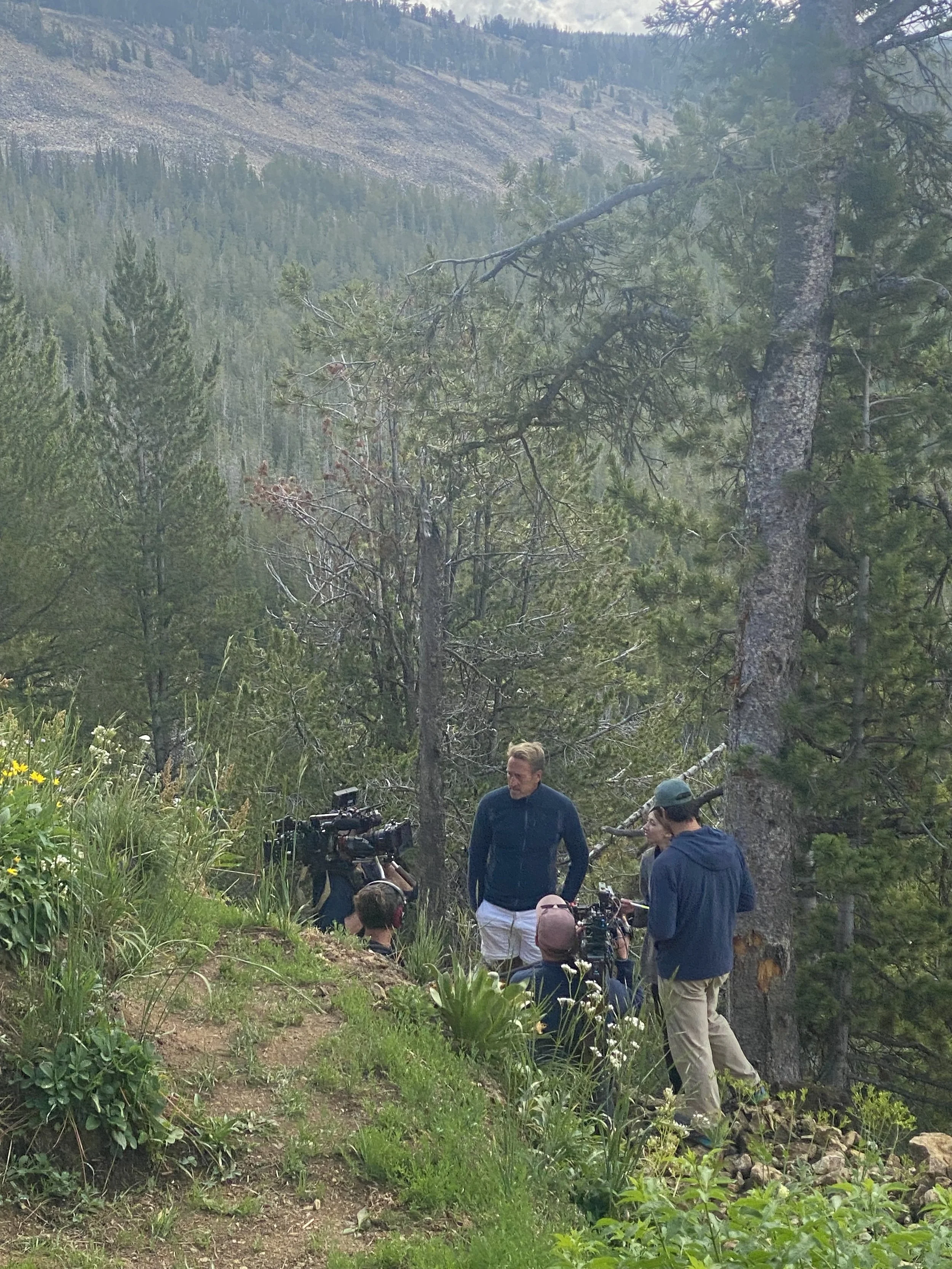
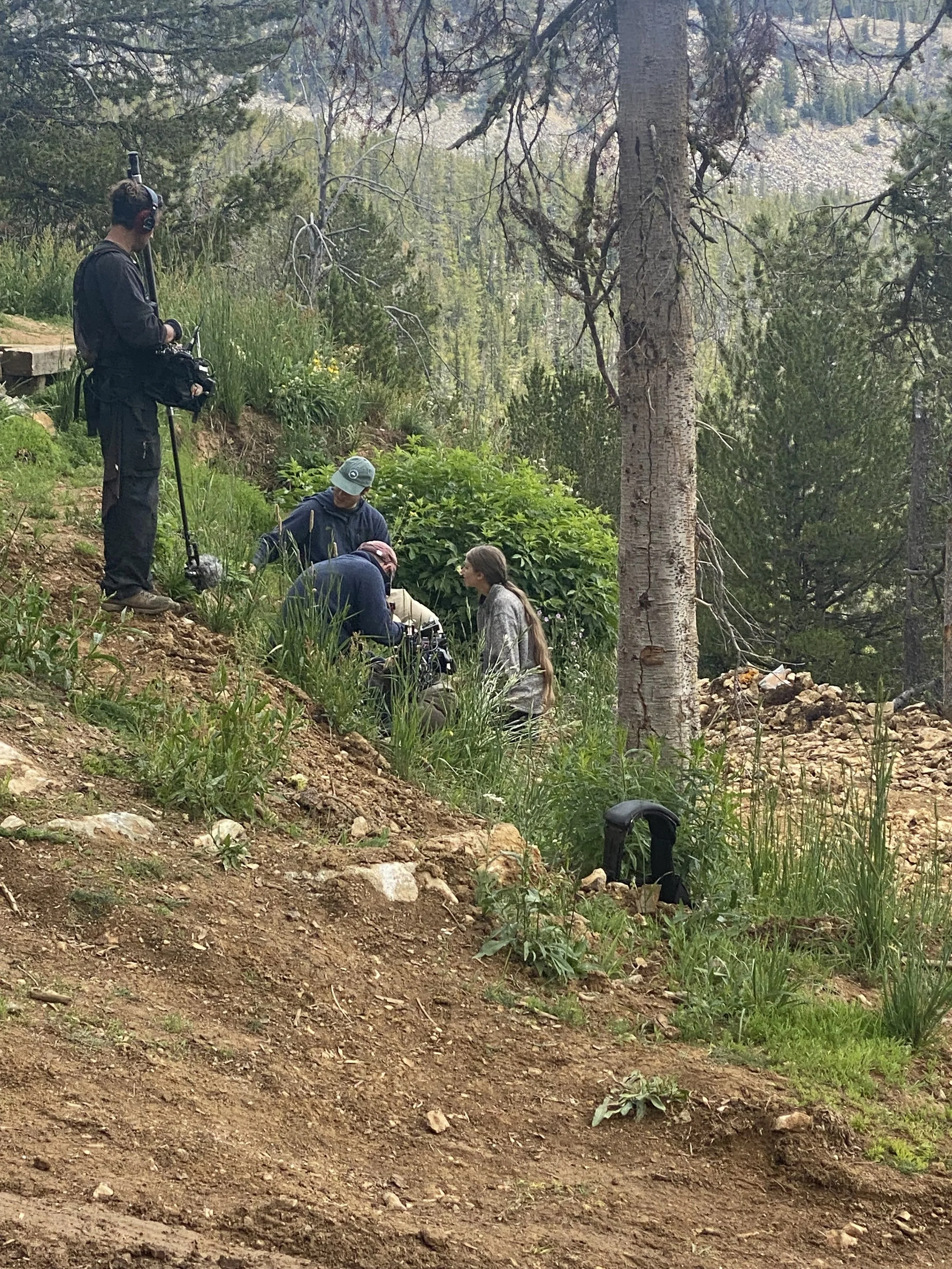
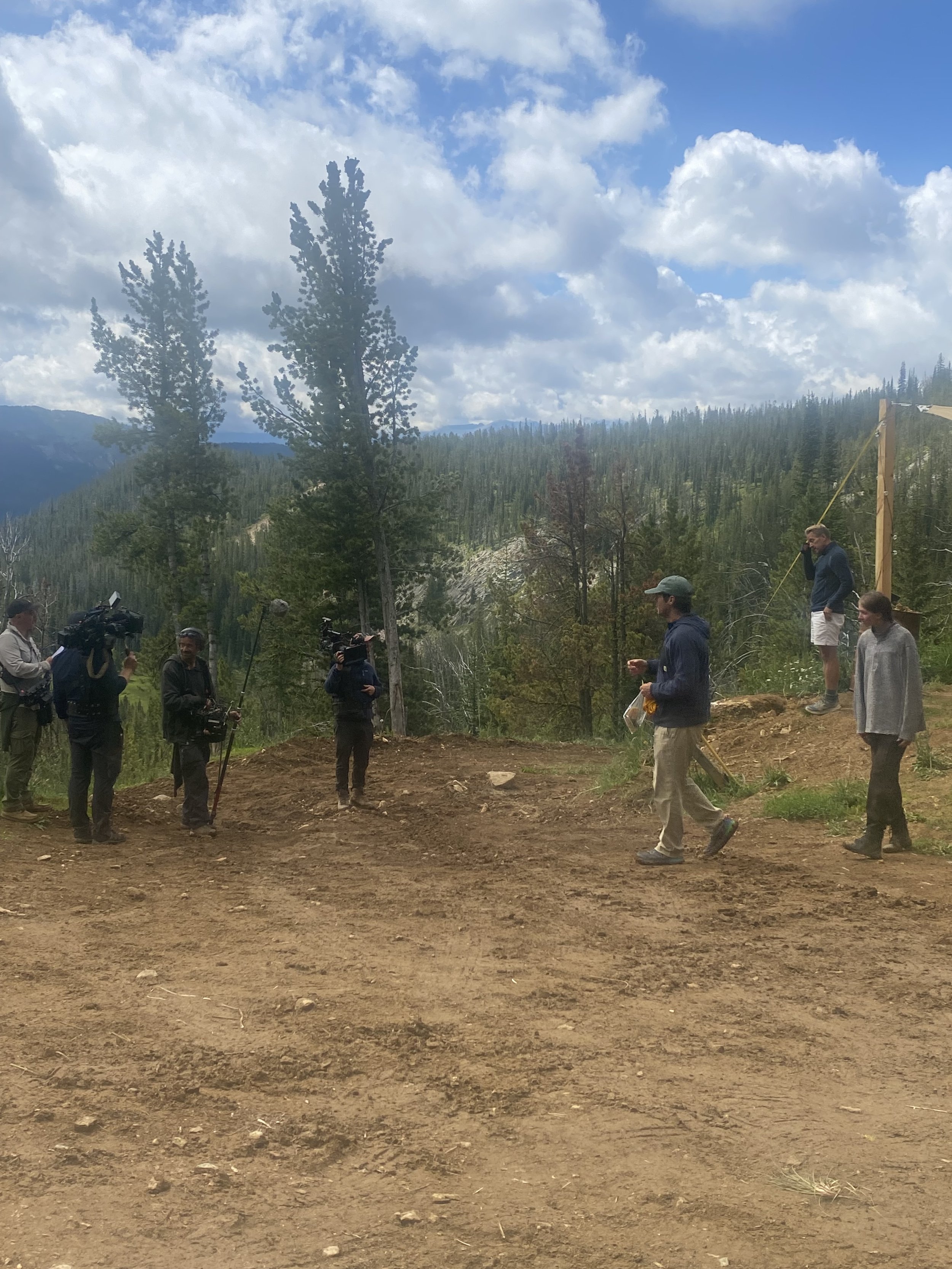
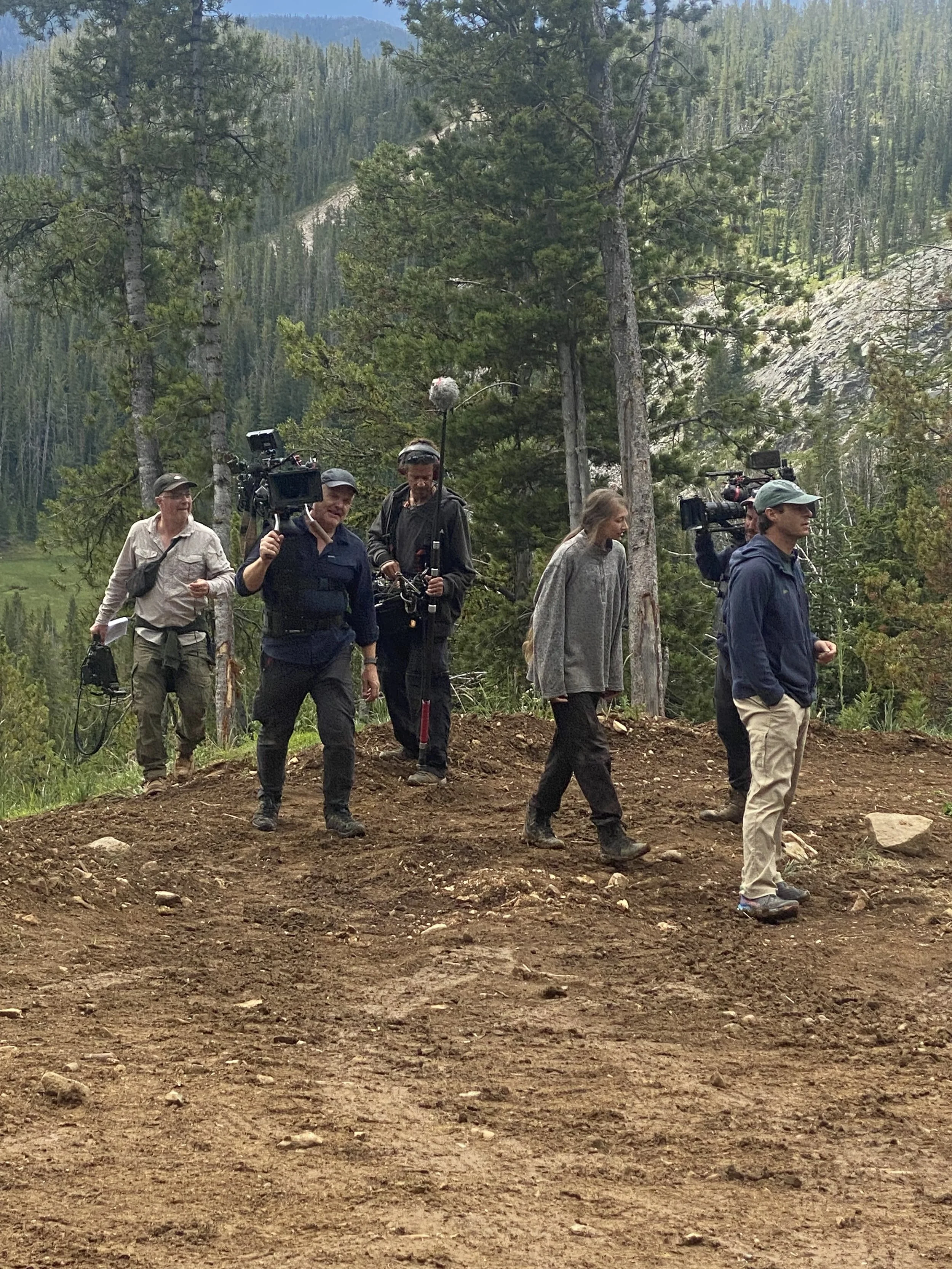
That entire segment was filmed—and cut for time.
9. Our neighbors and real community
Our direct next-door neighbors on the same ridge, with property touching ours, are William Moore and his wife.
William is a respected water-rights scientist. His wife is a practicing physician. They have a child of their own. We communicate weekly, they visit often, and the kids have a great relationship with Will.
William is also an extreme skier who has scouted and named every backcountry ski run in the area. He loved this place so much that he invested in property right next to us. He even provided ski-terrain video to the director—footage that wasn’t used because it didn’t fit the episode’s storyline.
That’s television.
Remote doesn’t mean disconnected.
It just means your neighbors are scientists, doctors, and skiers.
10. Brandon’s academic roots didn’t start here
Another piece of context left out: Brandon did not come from nowhere.
His grandfather, Frank C. Bellrose, was one of the most influential waterfowl biologists of the 20th century. Frank spent over 50 years at the Illinois Natural History Survey, pioneered waterfowl population counts still used today, helped restore wood duck populations, uncovered the dangers of lead poisoning in birds, authored Ducks, Geese, and Swans of North America, and lectured internationally—including at University of Cambridge.
That influence shaped Brandon’s father, Ron Bellrose, and in turn shaped Brandon. For him, nature was never just scenery—it was education.
While studying at Southern Illinois University Carbondale, Brandon received the Rickert Ziebold Trust Award(1989–90), at the time one of the largest individual academic financial awards being given.
The simplicity you see now is not a lack of education.
It’s a choice.
11. About Alisa’s eyes (yes, people noticed)
Alisa looks worried sometimes because she is.
In the last year alone, Brandon has faced a full knee replacement, complications from surgery, dental issues, lost recovery time, and now possible shoulder surgeries. At the same time, we’re watching friends Brandon’s age pass away around us.
There’s another layer.
Alisa lost both of her parents young. Her mother—beautiful, vibrant, and once Miss Texas—passed away at roughly the same age Brandon is now.
So when Alisa looks concerned, it isn’t abstract fear. It’s lived experience.
Getting older is slowing us down—and it makes us angry.
Not bitter. Just urgent.
And at the same time, Brandon and Alisa are cherishing the time they have left—choosing presence, purpose, and each other.
12. About the hair, clothes, and lack of “TV polish”
Yes—we noticed too.
We made a very intentional decision not to dress up, get haircuts, shave, buy new clothes, or polish ourselves for television.
There were no stylists. No emergency spa days. No wardrobe racks.
We wanted to show real life—the version people live when their front door closes. The dusty, tired, practical version that actually builds things.
This is less is more, not keeping up with the Kardashians.
If you recognized yourself in that, congratulations—you’re normal. So are we.
13. About Las Vegas—and the 19 years in between
The show focused on Alisa’s time as an adult entertainer in Las Vegas.
What wasn’t explained is that Las Vegas was nineteen years ago.
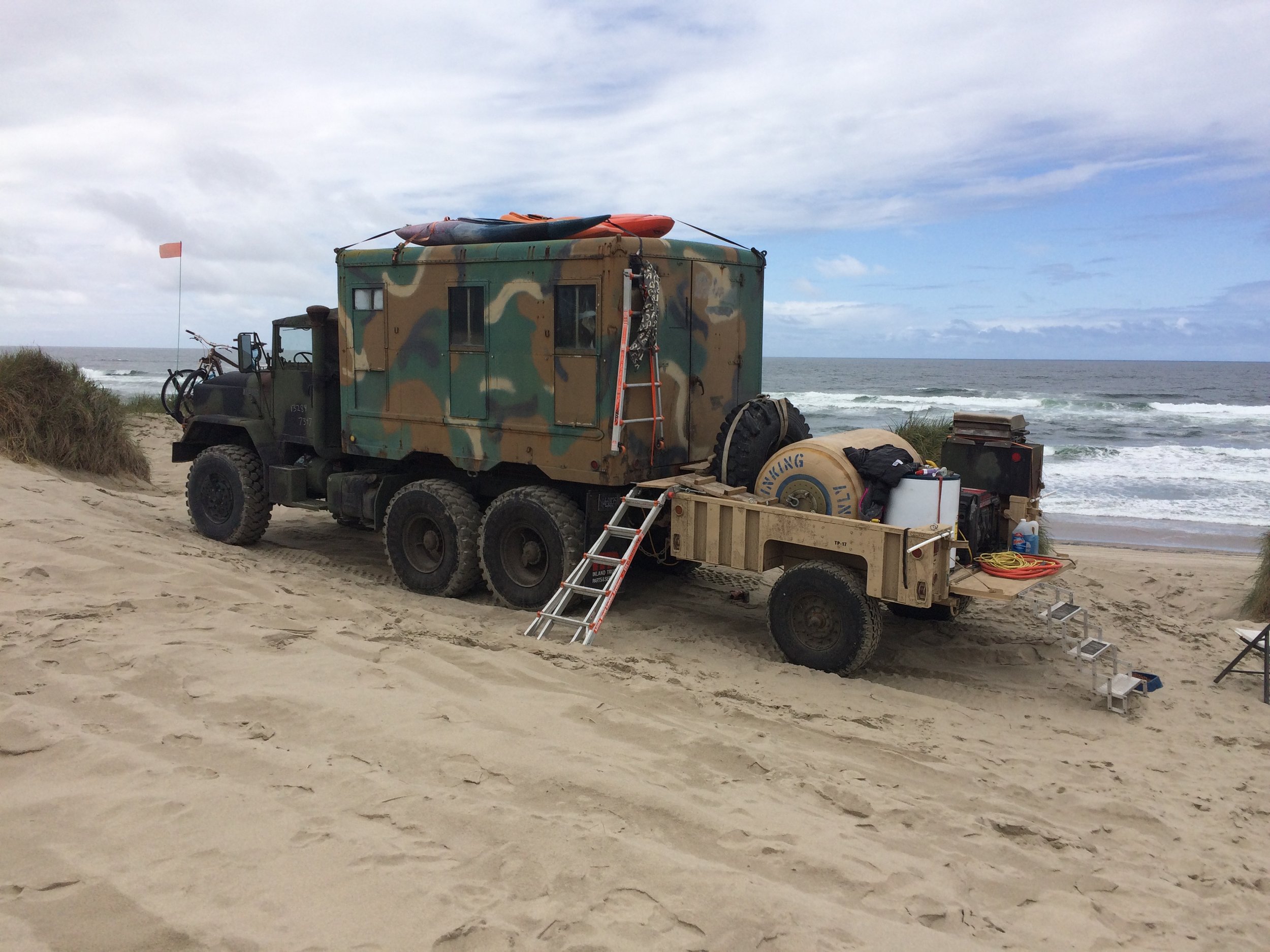
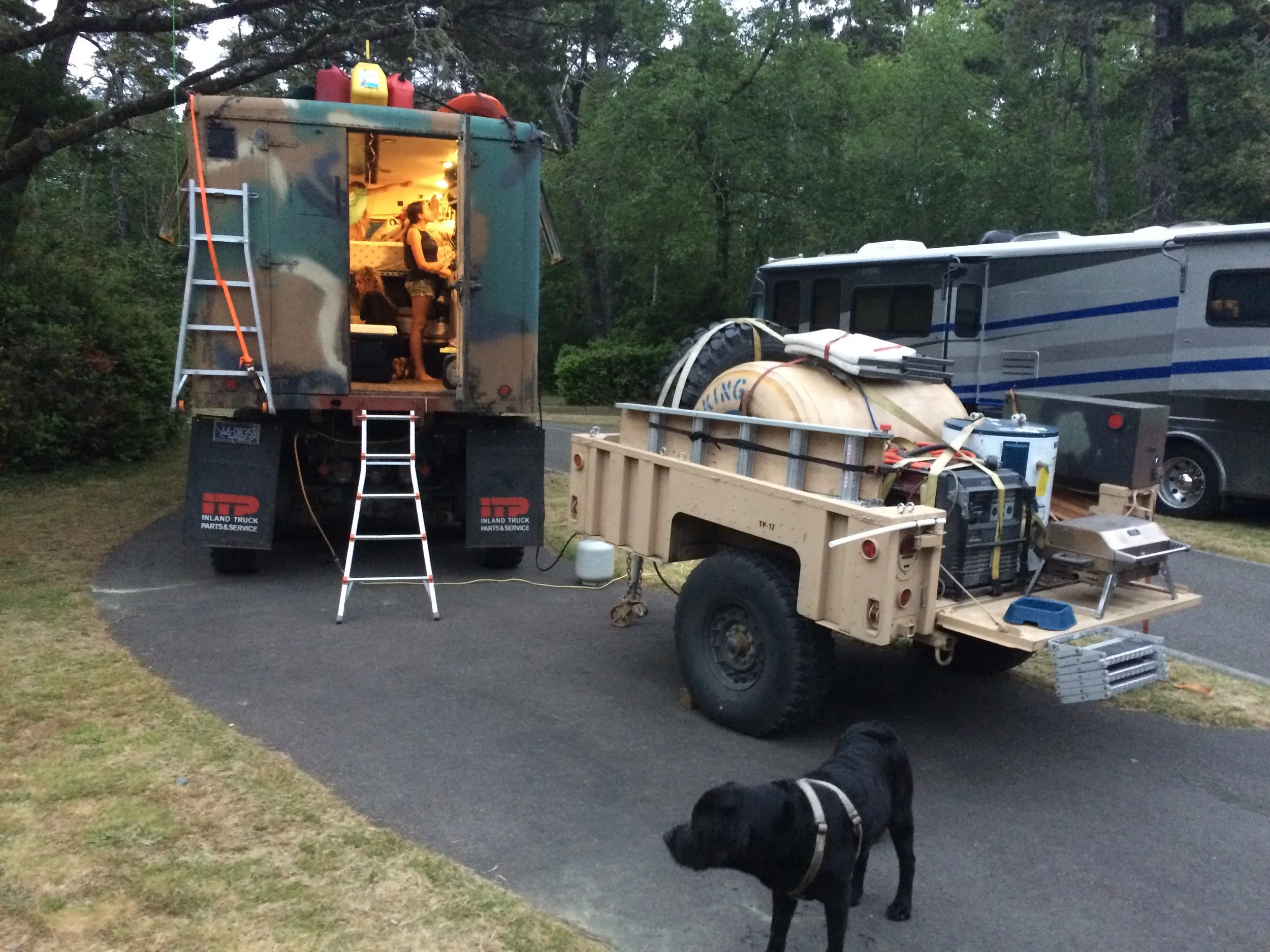
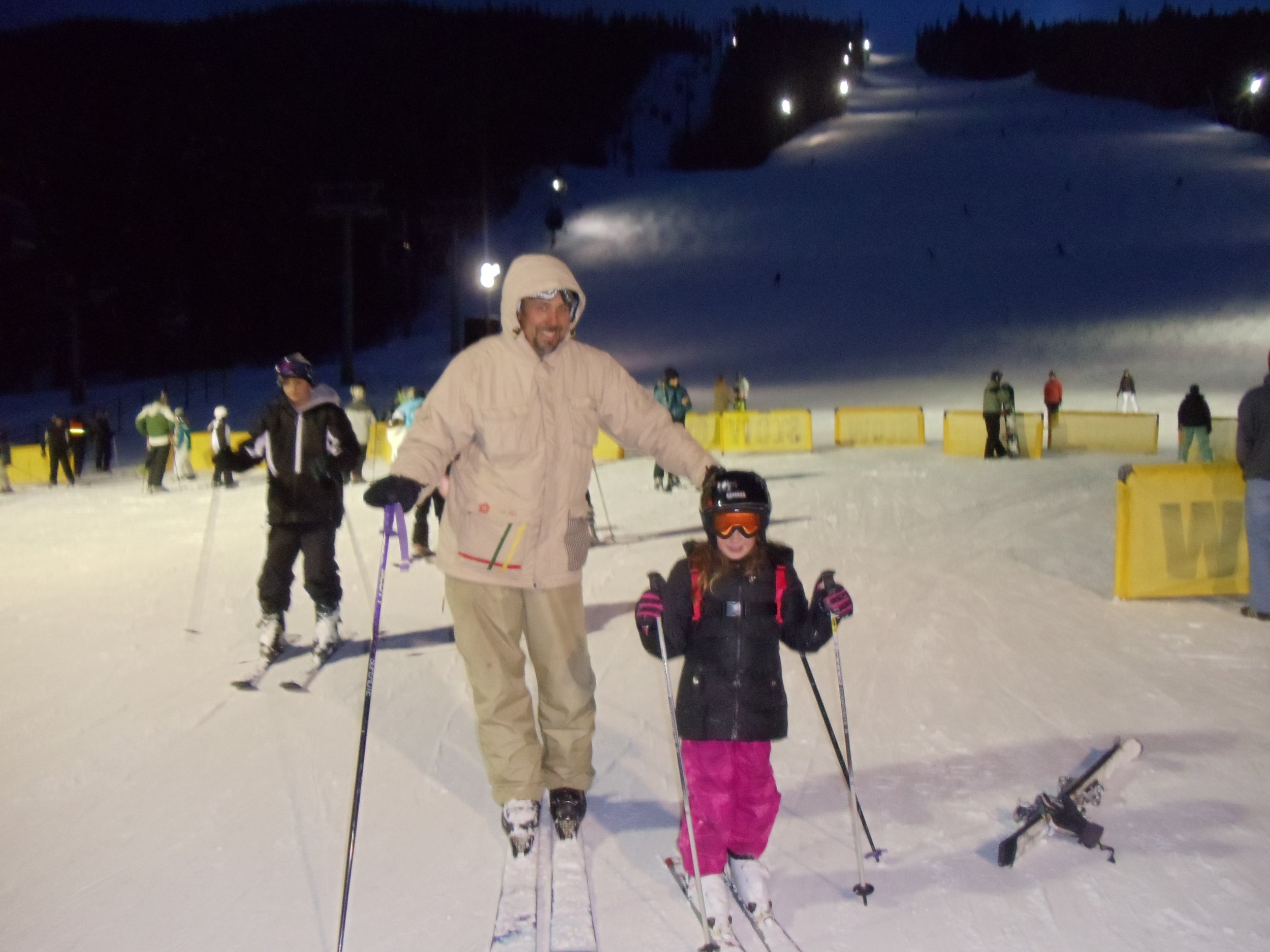
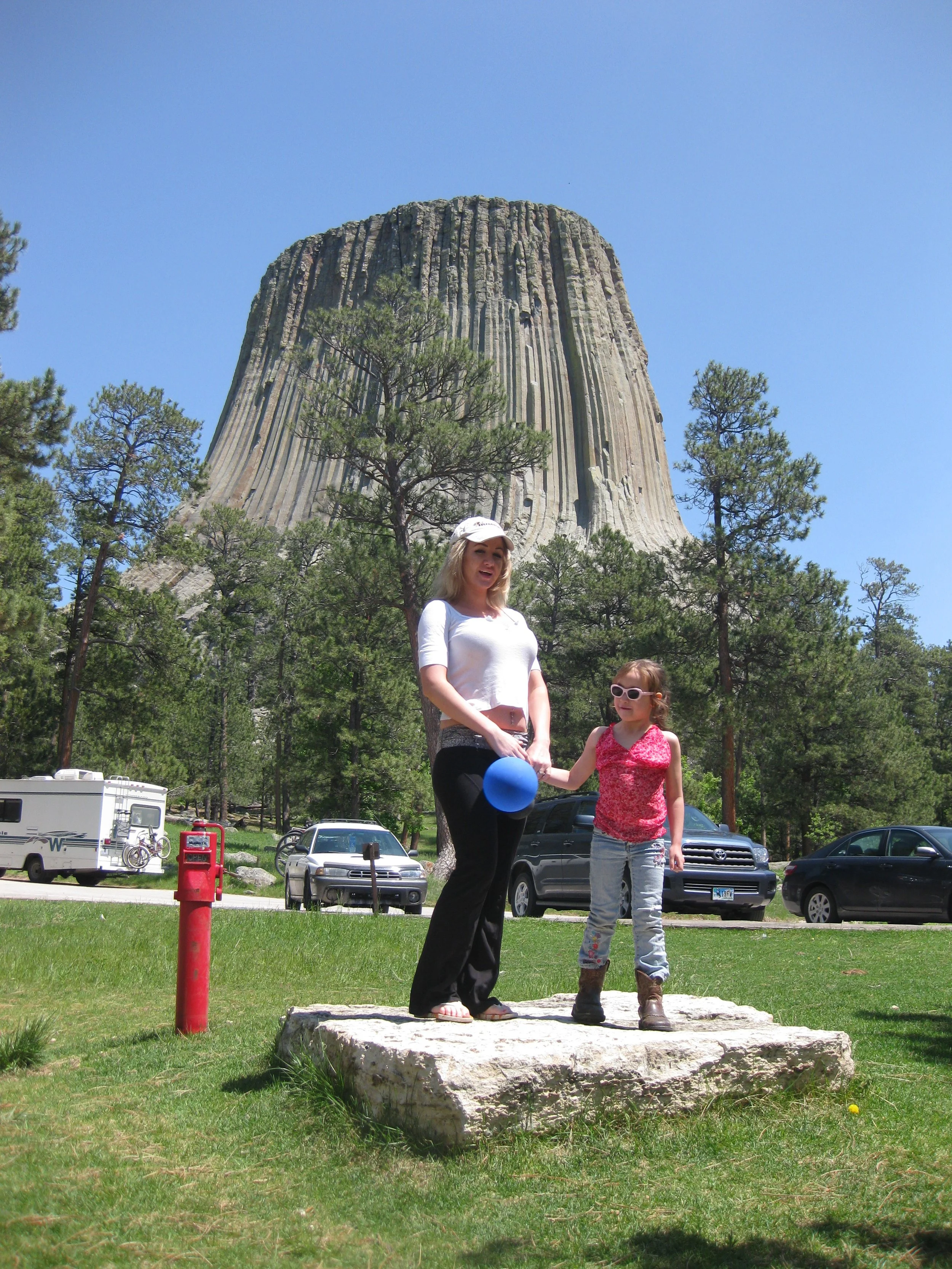
What came after was a life of adventure: building expedition vehicles, crisscrossing America, visiting most National Parks, whitewater rafting, kayaking, mountain biking, and traveling through remote places that quietly trained us for what we’re doing now.
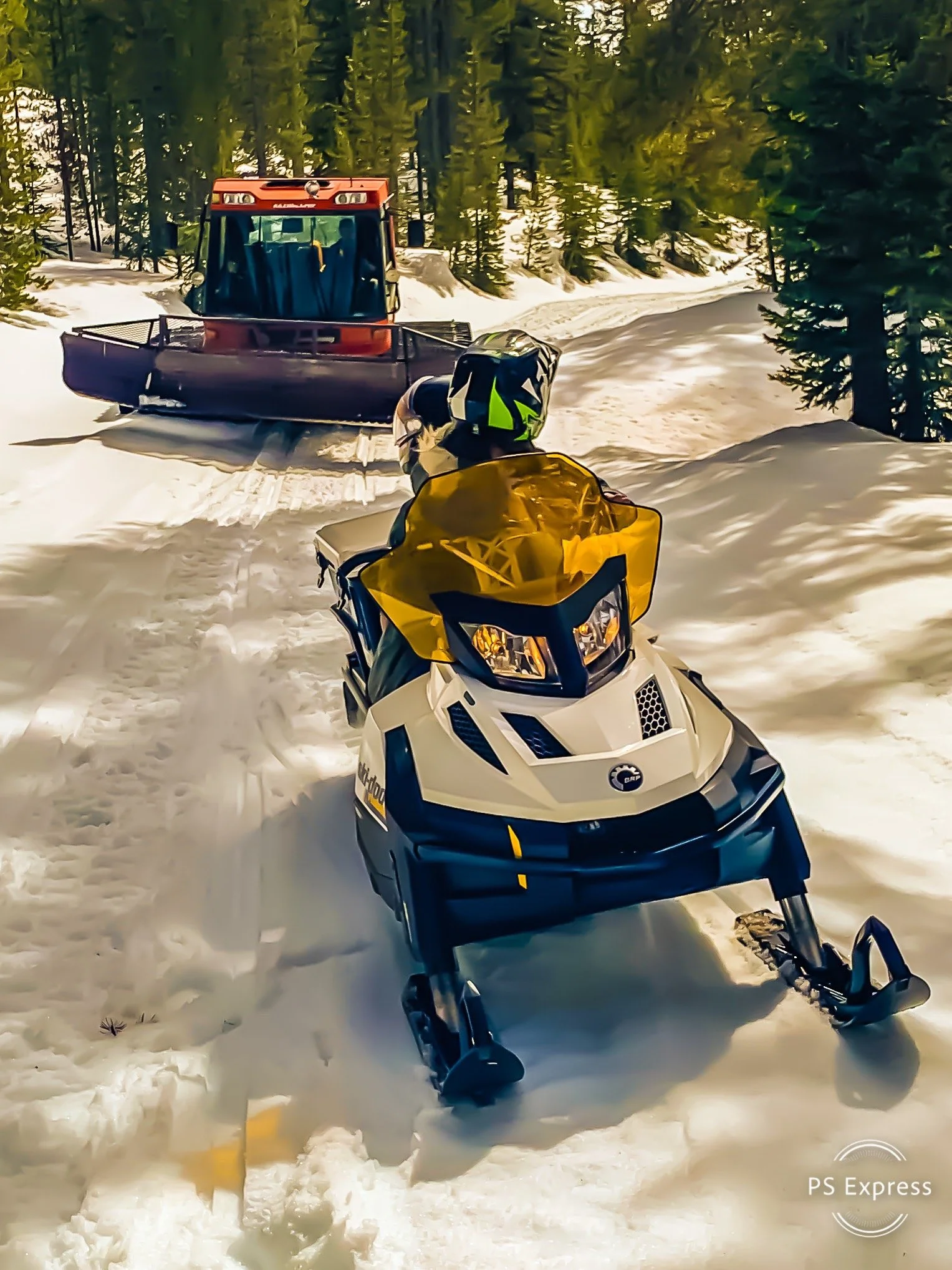
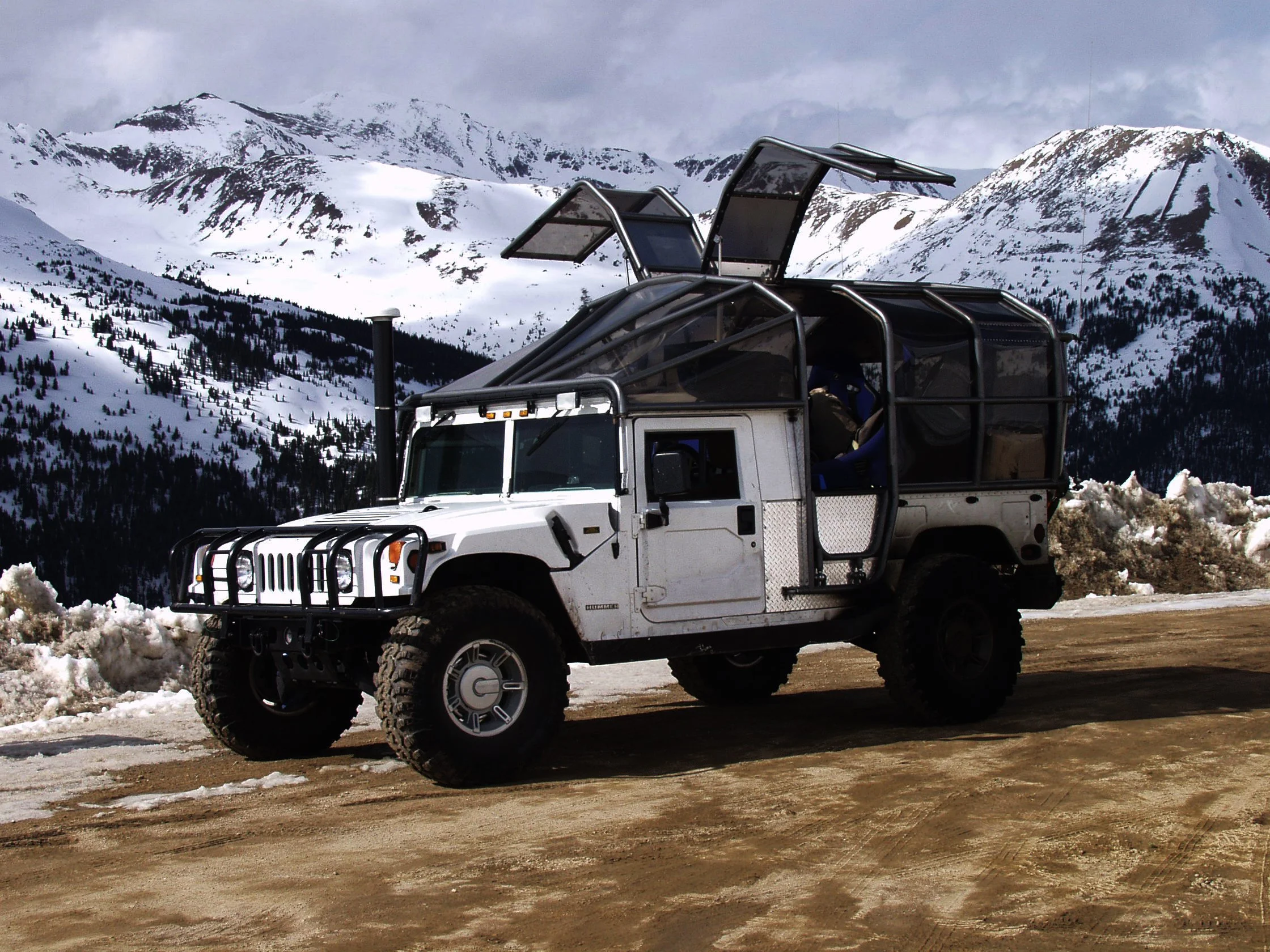
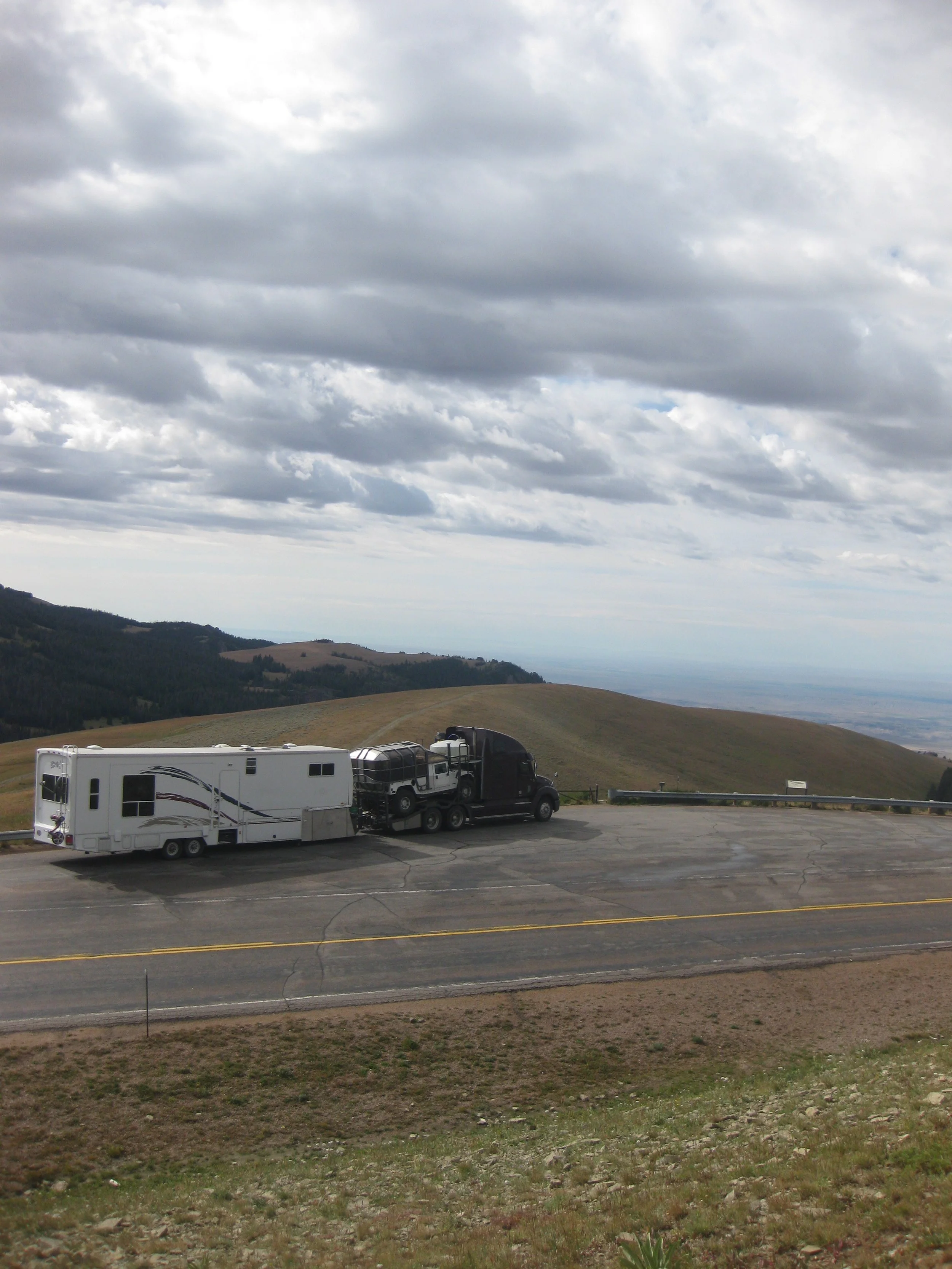
Elev8150 wasn’t a sudden pivot.
It was the natural continuation of decades on the road.
Television often chooses a simpler starting point. Nuance doesn’t always fit.
But the real story isn’t reinvention—it’s evolution.
14. WHAT ALISA GAVE UP—AND WHY SHE STILL DOESN’T HAVE HER HOUSE (YET)
One last piece of context that matters.
Alisa doesn’t have her “house” yet—not because of poor planning or bad luck, but because of a very deliberate choice.
Instead of buying real estate early and settling into one place, Alisa chose to invest in time, experience, and shared memory. For sixteen years of constant adventure, she gave her family something harder to measure than square footage: several hundred thousand miles of life on the road.
Those years were spent traveling the United States in self-built expedition vehicles—vehicles that allowed us to live anywhere, stay anywhere, and truly understand the places we passed through. Not as tourists, but as temporary locals.
Along the way, Alisa would constantly hear people talk about what they were going to do after retirement.
Having lost both of her parents early in life, she quietly came to a different conclusion.
Her personal motto became:
“Do it before your back goes out and arthritis sets in.”
In other words, it’s nice to get your bucket list done before you’re stuck cruising the ski resort bunny run, watching younger legs drop into the Black Diamond lines you used to love.
That choice looked like:
Trips to New York City and Los Angeles
Several years of skiing in Breckenridge, Colorado
Whitewater kayaking in Oregon
Rafting and skiing around Bend, Oregon
Sea fishing out of Coos Bay, Oregon
Rock crawling in Hummers through Moab, Utah, and Durango, Colorado
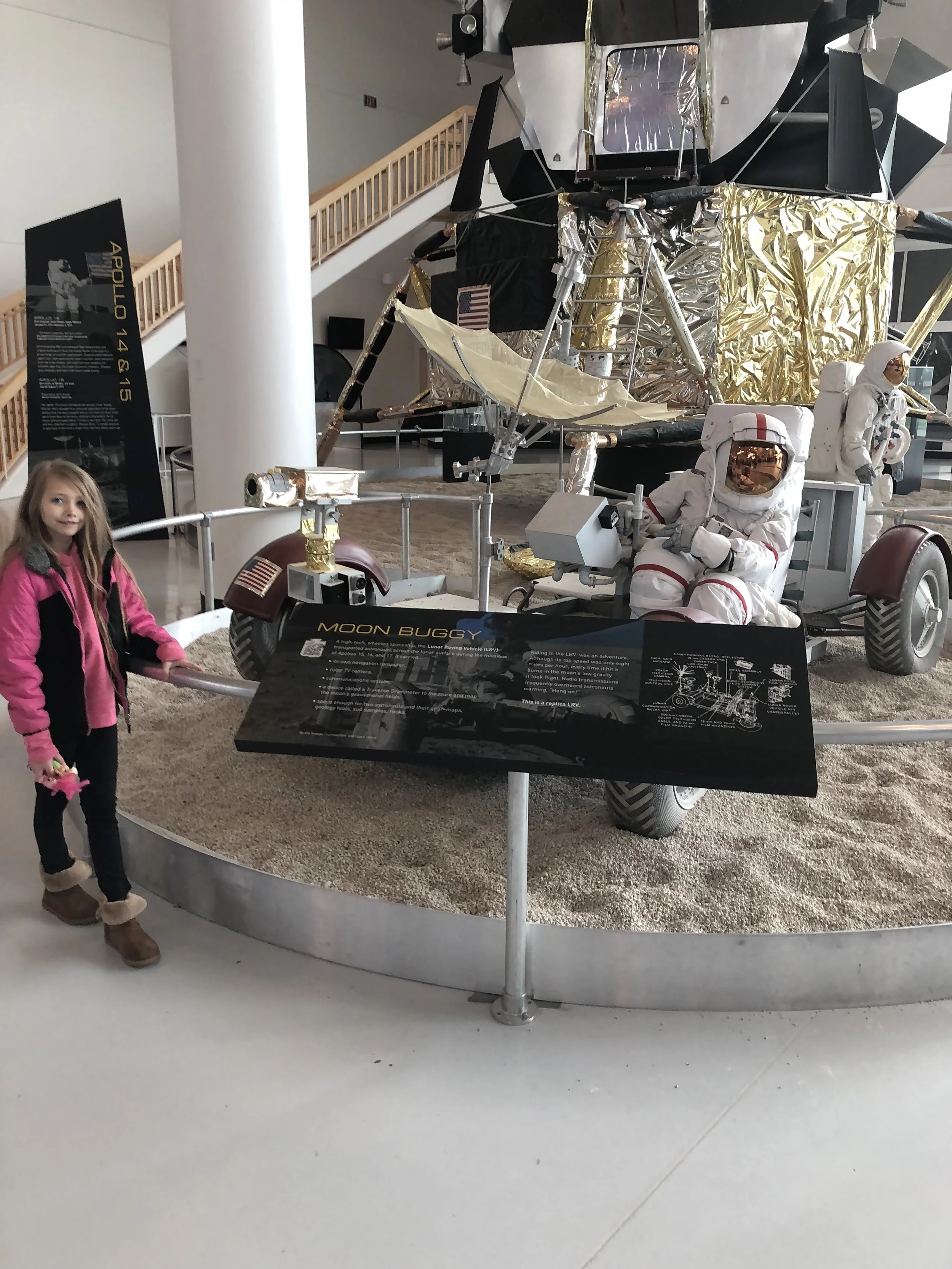
Trips to Florida to see the Space Shuttle, Disney, and the Everglades
Visiting most of the National Parks in the lower 48
Because of the expedition vehicles, we weren’t limited to weekends or hotel stays. We could live in places for months at a time—long enough to understand the rhythm of a community, the land, and the seasons. We didn’t pass through. We immersed ourselves.
Those sixteen years shaped our kids, prepared us for remote living, and quietly trained us for what we’re doing now.
So yes—Alisa doesn’t have her house yet.
But what she gave her family instead was sixteen years of shared adventure, resilience, adaptability, and perspective.
And Elev8150?
That’s where all those miles finally come home.
15. THE BIGGEST PLOT POINT THE SHOW MISSED: ALISA’S TWENTY-YEAR CURVE
Perhaps the largest arc that New Lives in the Wild simply didn’t have time to tell was the magnitude of the curve Alisa made over the last two decades.
Alisa didn’t just change locations. She changed direction.
She went from a highly material, image-driven world to one defined by movement, discomfort, risk, and exploration. From an adult entertainer in Las Vegas to an extreme traveler and adventure-driven explorer, logging hundreds of thousands of miles across the United States—often far from pavement, cell service, or certainty.
No, she doesn’t claim a place alongside the great explorers of history. But she did take a very real stab at it—and she did something even harder: she brought her kids along.
Along the way, there were mistakes. A few detours. Some hard lessons. Growth rarely happens in a straight line.
What matters is that Alisa stepped completely outside the stereotype of who people expect someone from her former industry to become. She rejected comfort, predictability, and easy gratification in favor of challenge, exposure, and constant motion.
That kind of transformation isn’t tidy. It doesn’t come without psychological cost, identity shifts, or moments that feel uncomfortable—even unstable—while you’re inside them. Reinventing yourself often looks messy from the outside.
But it also builds depth.
The Alisa you see today is not a reinvention for television. She is the result of twenty years of lived experience, risk-taking, parenting on the road, and choosing growth over safety—again and again.
That curve matters.
And it may be the most important part of the story.
Final thought
A television episode can only show so much. Real life is longer, messier, funnier, and more meaningful than a clean edit allows.
We’d rather be understood than perfectly packaged.
And if less is more resonates with you, you’re probably our kind of people.