
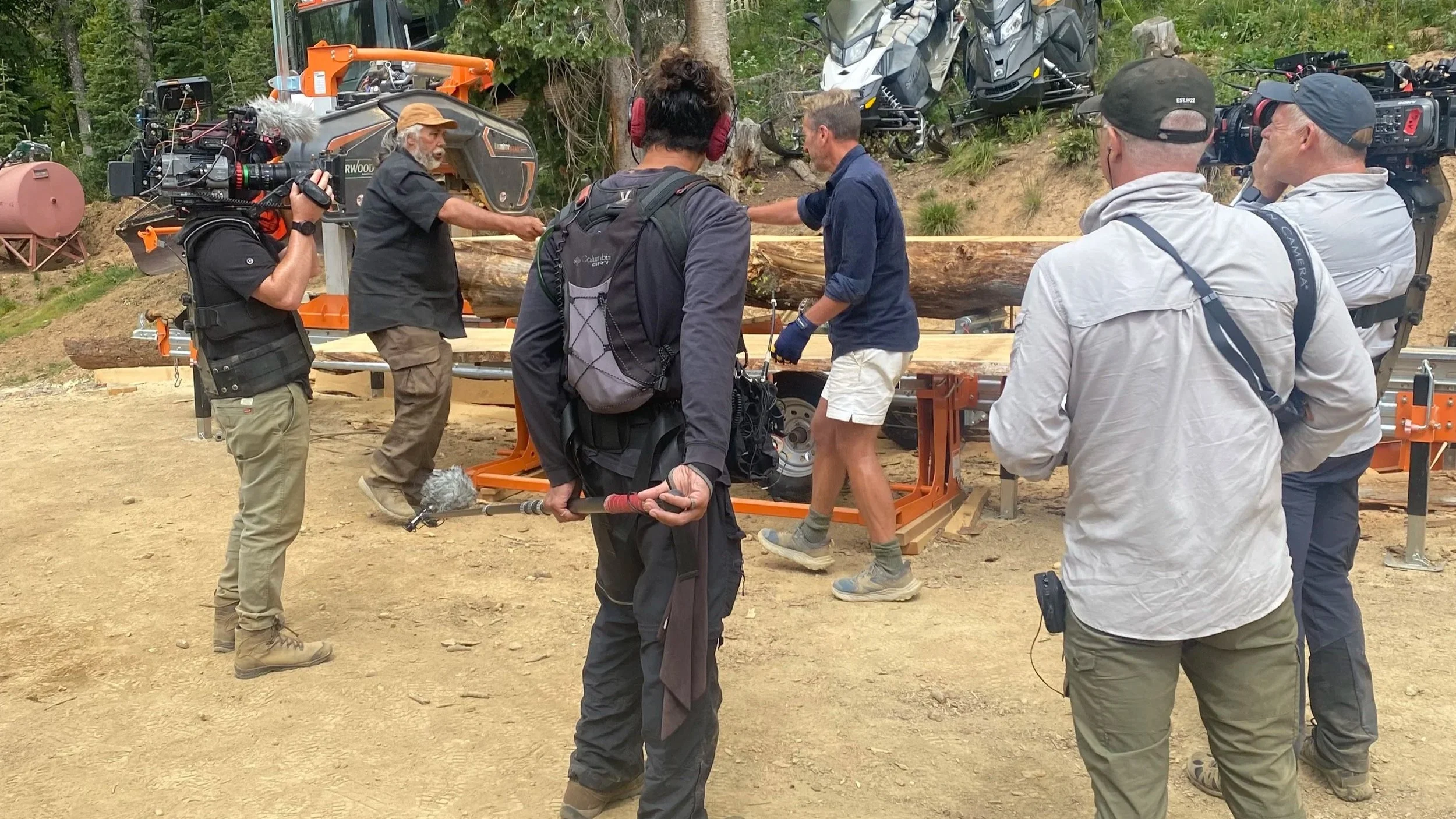
What the Show
Didn't Tell You
Bellrose Family · Elev8150 · Anaconda, Montana · 8,150 ft
Everything that didn't fit into 44 minutes of television — 15 raw truths about building an off-grid mountain lodge at 8,150 feet in Montana, as seen on BBC's Ben Fogle: New Lives in the Wild.
Television has limits.
Real life doesn't.
We're deeply grateful to have shared our lives on Ben Fogle: New Lives in the Wild (BBC Channel 5, Season 21). But time runs out. Weather moves in. Batteries die. And sometimes reality is simply messier, slower, and funnier than a clean storyline allows.
Here's the fuller version — 15 things about the Bellrose family, Elev8150, and off-grid life in Anaconda, Montana that the mountain wouldn't let the cameras catch.
without outside support
Anaconda, Montana
Ben Fogle
Completely debt-free
Elev8150 is not a ski resort —
it's a mountain basecamp
Let's start with the most important clarification. No lifts. No luxury spa. No shopping village. Elev8150 is a mountain basecamp — a place to eat, sleep, gear up, and get back outside. The buildings are intentionally rustic and simple because the mountains are the main event, not the room you're staying in.
We plan on hosting a very small number of guests per year. This is not about volume. Our guiding principle: less is more.
Recreation isn't a side note —
it's the reason this place exists
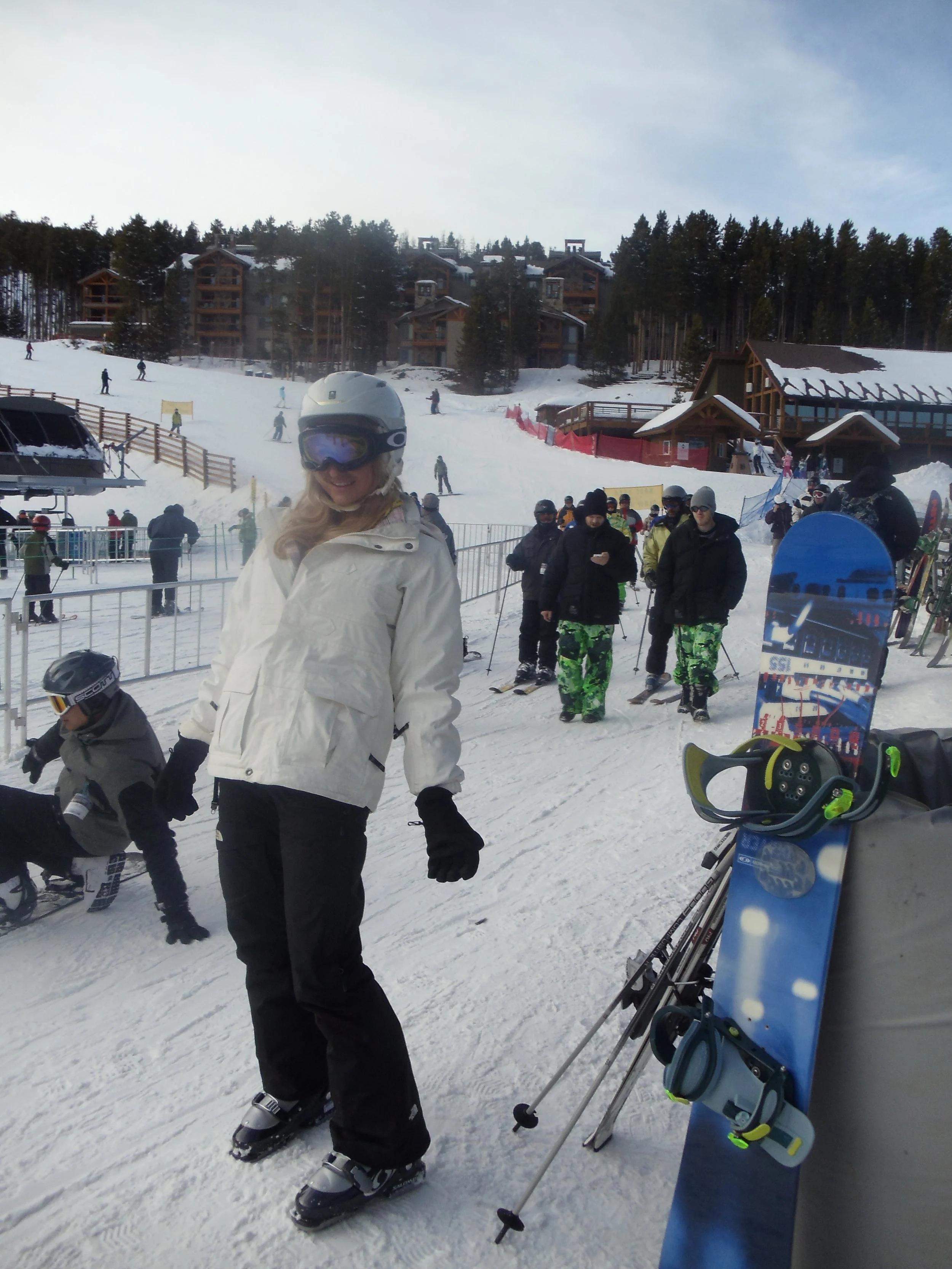
One of the biggest things the cameras didn't show is that we didn't come here just to build. We came here to live. Our real, everyday life includes:
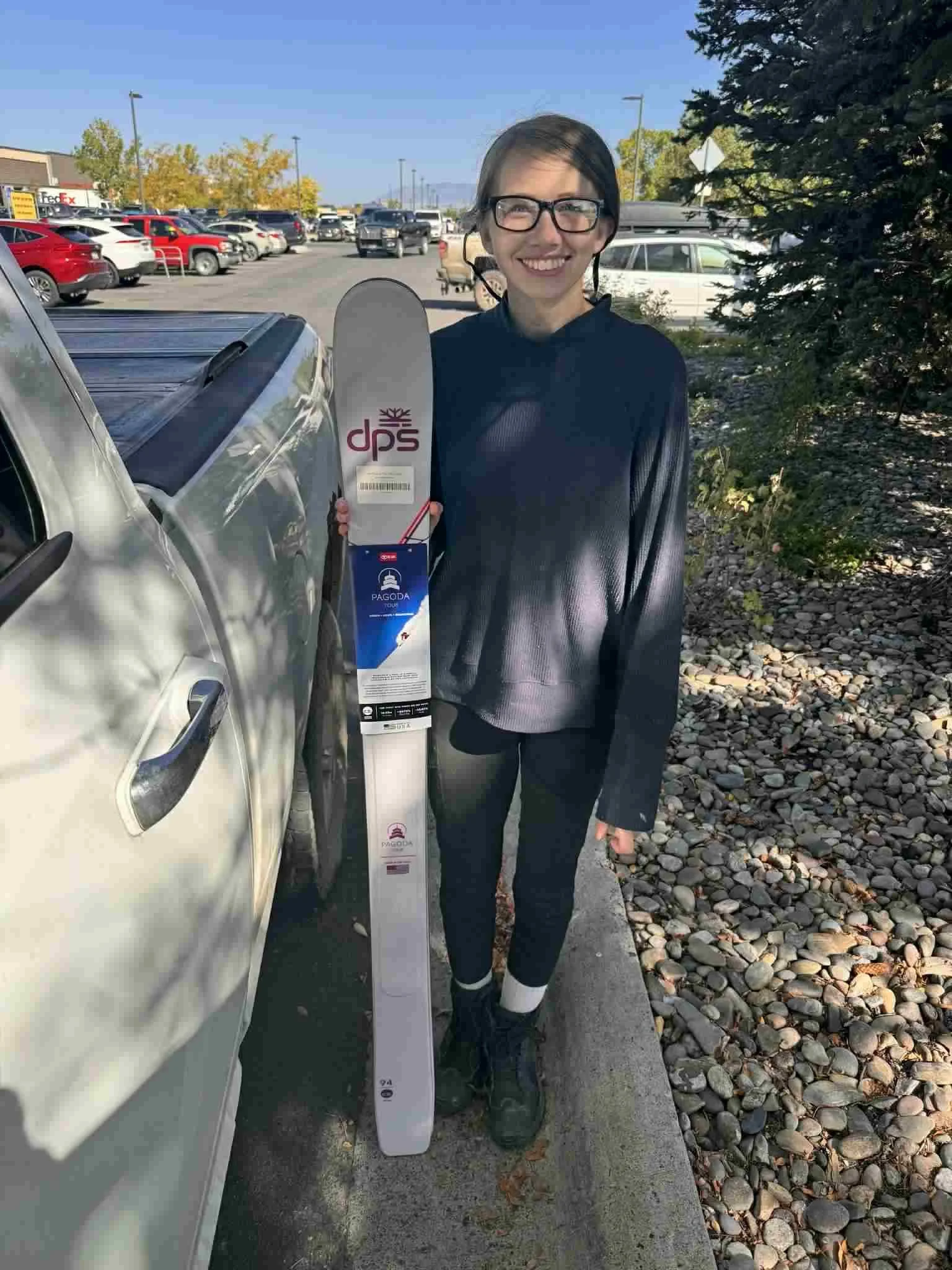
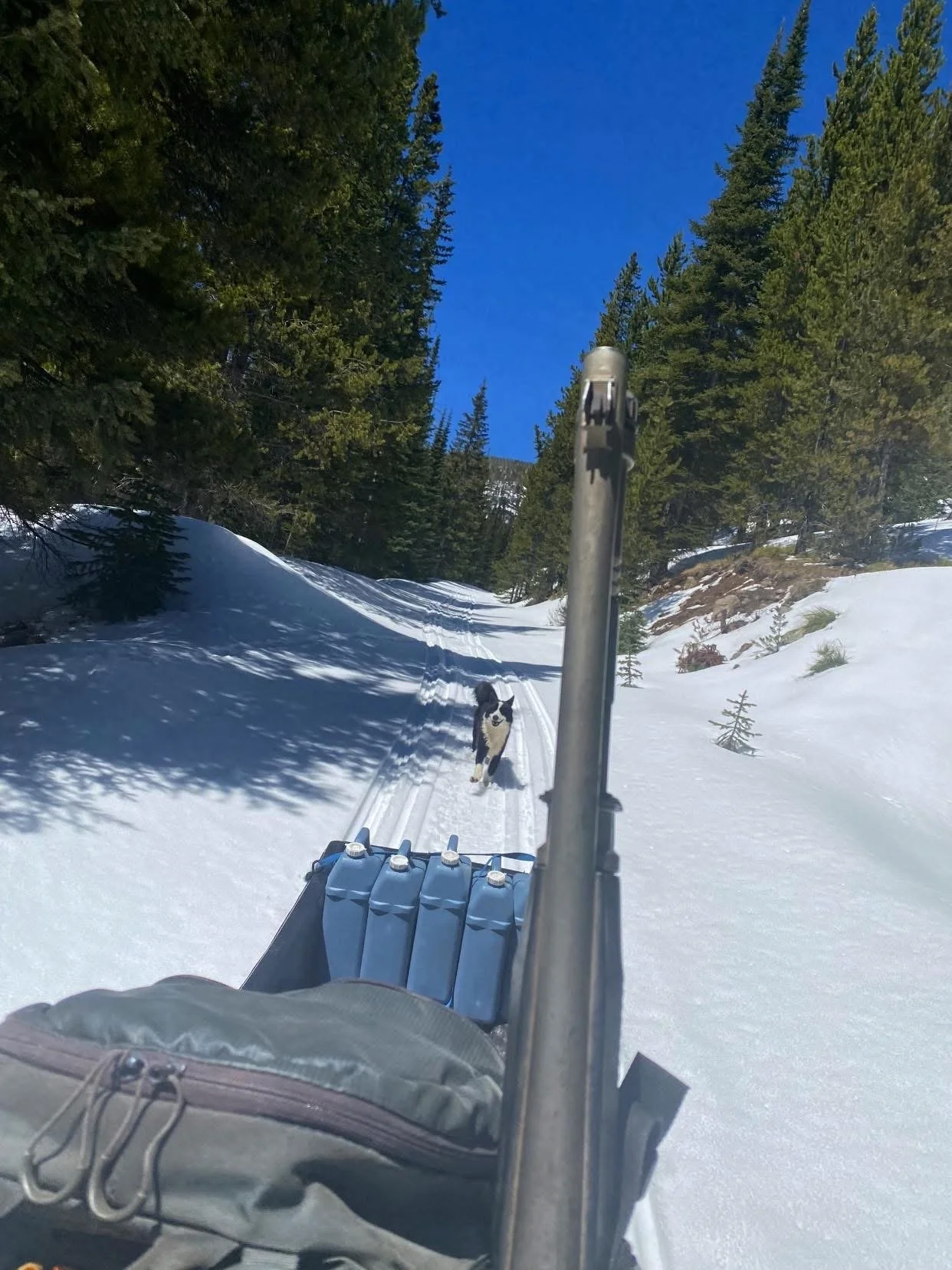
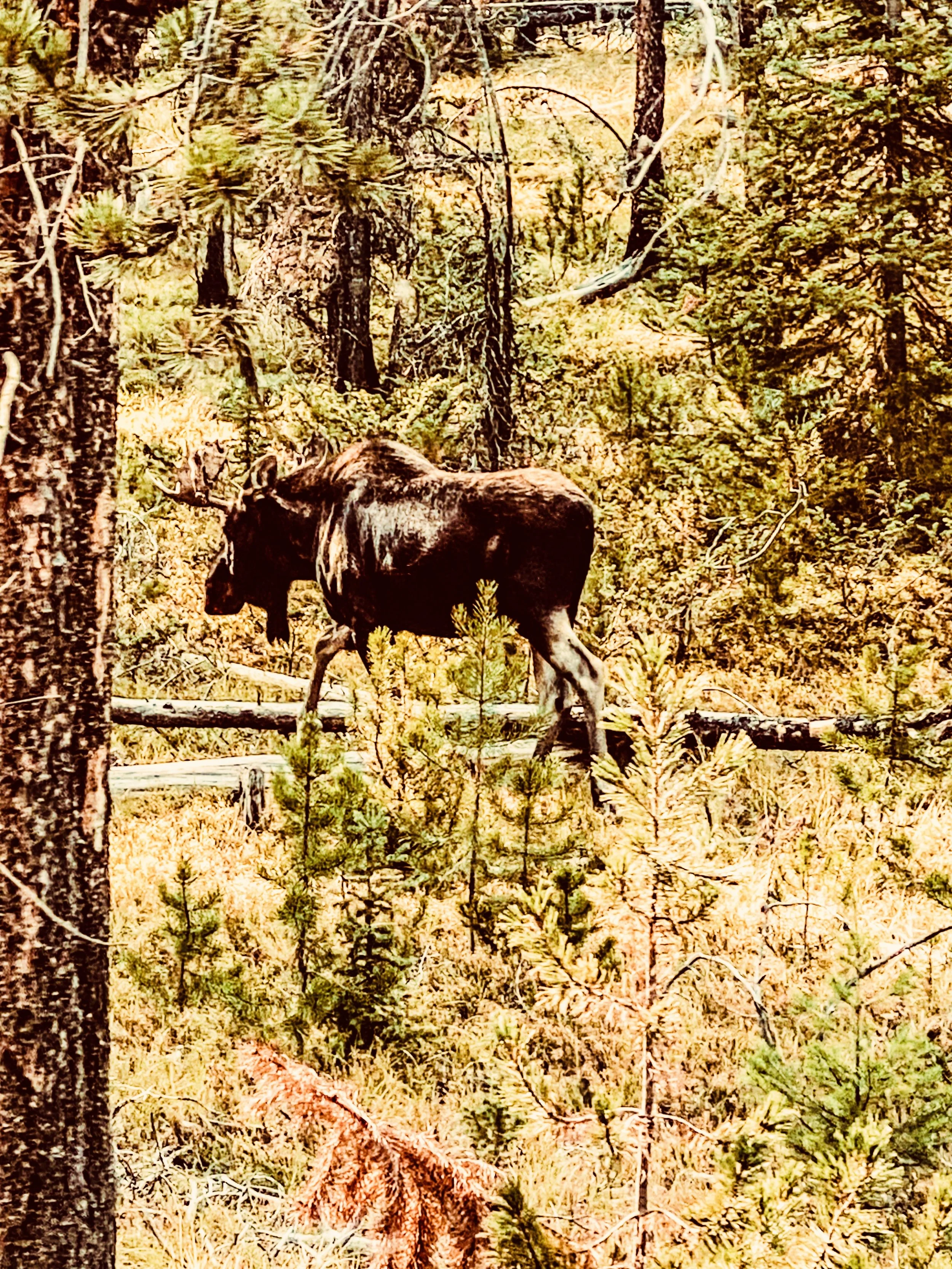
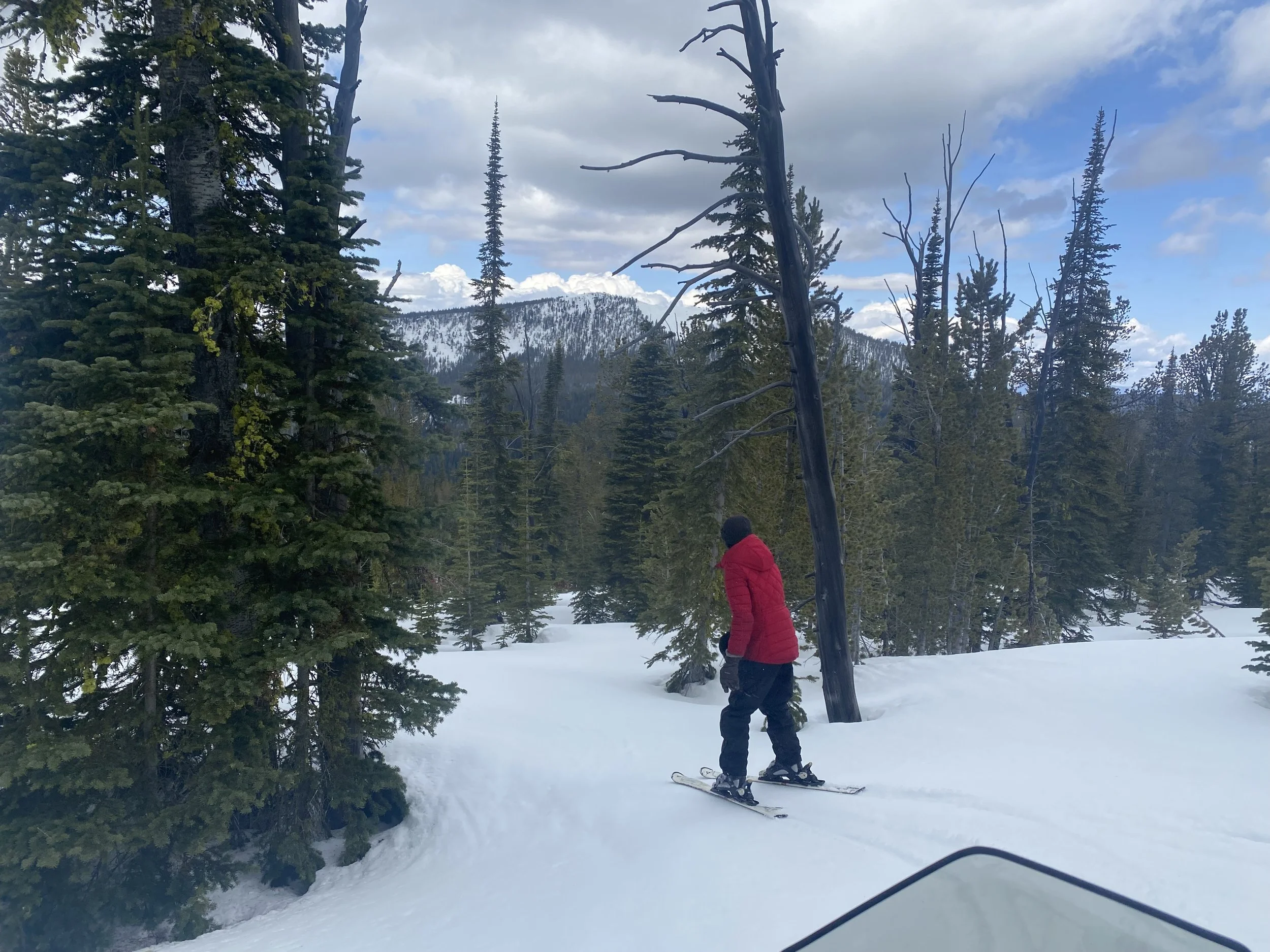
We own the gear. We use it. Constantly. None of this was filmed because there wasn't time — or it didn't fit the episode's story arc. And this is why construction sometimes pauses. Powder days happen.
The dream didn't start with Brandon
Elev8150 was Alisa's idea. She wanted land that matched our family's outdoor, seasonal lifestyle. At the time, Brandon was already renting a shop and building expedition 5-ton vehicles. He dropped everything to help build her dream — not because it was easy, but because it mattered.
This project exists because of partnership, not ego.
The kids are driving this harder than we are
This is not a "parents forcing a lifestyle" situation. The kids want this — badly. For them, Elev8150 is a gigantic, real-world playground where seasons matter, skills matter, and life feels tangible.
We sent Alayah off to build her culinary career fully expecting she might never return. She did return. Because it turns out there's not a lot of everyday fun in the "real world." That should probably tell you everything you need to know.
We are not broke. We are not desperate.
At the moment, we are completely debt-free. If we stopped building tomorrow and never finished Elev8150, we would still be fine heading into retirement. This project is not about saving ourselves financially. It's about building something meaningful for our children and future generations.
We already bought the expensive stuff
We're not starting from zero. We already own commercial stoves, professional cookware, tour vehicles, groomers, and core operational equipment. What we don't have yet are the buildings themselves. Ironically, the simplest-looking part is the hardest to fund in remote terrain.
This isn't the middle of nowhere
The show focused (understandably) on our immediate location. What it didn't show is the ecosystem around us — Philipsburg, Montana, a real destination town; collaboration opportunities with places like The Ranch at Rock Creek; and Discovery Ski Area, which we can literally see from our property, and where Alayah works as a ski instructor.
Elev8150 isn't isolated. It's connected.
Opportunity, not obligation
Brandon grew up on a farm in Illinois, where land and work are passed down for generations. That's one of the oldest human traditions there is. This isn't about grooming our kids. It's about offering them choice, skills, land, and responsibility. What they do with that is up to them.
About Alisa's eyes — yes, people noticed
Alisa looks worried sometimes because she is. In the last year alone, Brandon has gone through a full knee replacement, complications from surgery, dental issues triggered during recovery, significant lost time while healing — and now faces the possibility of shoulder surgeries.
There's another layer. Alisa learned very young that time is not guaranteed. Both of her parents passed away early in life. Her mother — beautiful, vibrant, and once Miss Texas — passed away at roughly the same age Brandon is now.
Getting older is slowing us down — and honestly, it makes us angry. Not bitter. Just urgent.
About the hair, the clothes, and the very obvious lack of TV polish
Yes — we noticed too. And no, it wasn't an oversight. We made a very intentional decision not to dress up, get haircuts, shave, or "clean ourselves up" for television. No stylists. No wardrobe racks. Just us, exactly as we live every single day when no one is watching.
We wanted to invite people into the real version — the unfiltered, practical, slightly dusty, occasionally exhausted version that actually builds things and lives outside. It felt more intimate. More honest. More human.
About education, influence, and the people actually in our world
One impression some viewers came away with was that our family lives cut off from education, science, or other people. What wasn't shown was Trinity and Ben spending time in what amounted to a private, graduate-level nature and conservation lesson led by Gregg Treinish.
Completed a 7,800-mile expedition along the spine of the Andes. His work spans wolverine, lynx, bears, owls, and sturgeon research. Recognitions include Ashoka Fellow, World Economic Forum Young Global Leader, and the Explorers Club 50.
That entire filmed segment was cut for time and narrative focus.
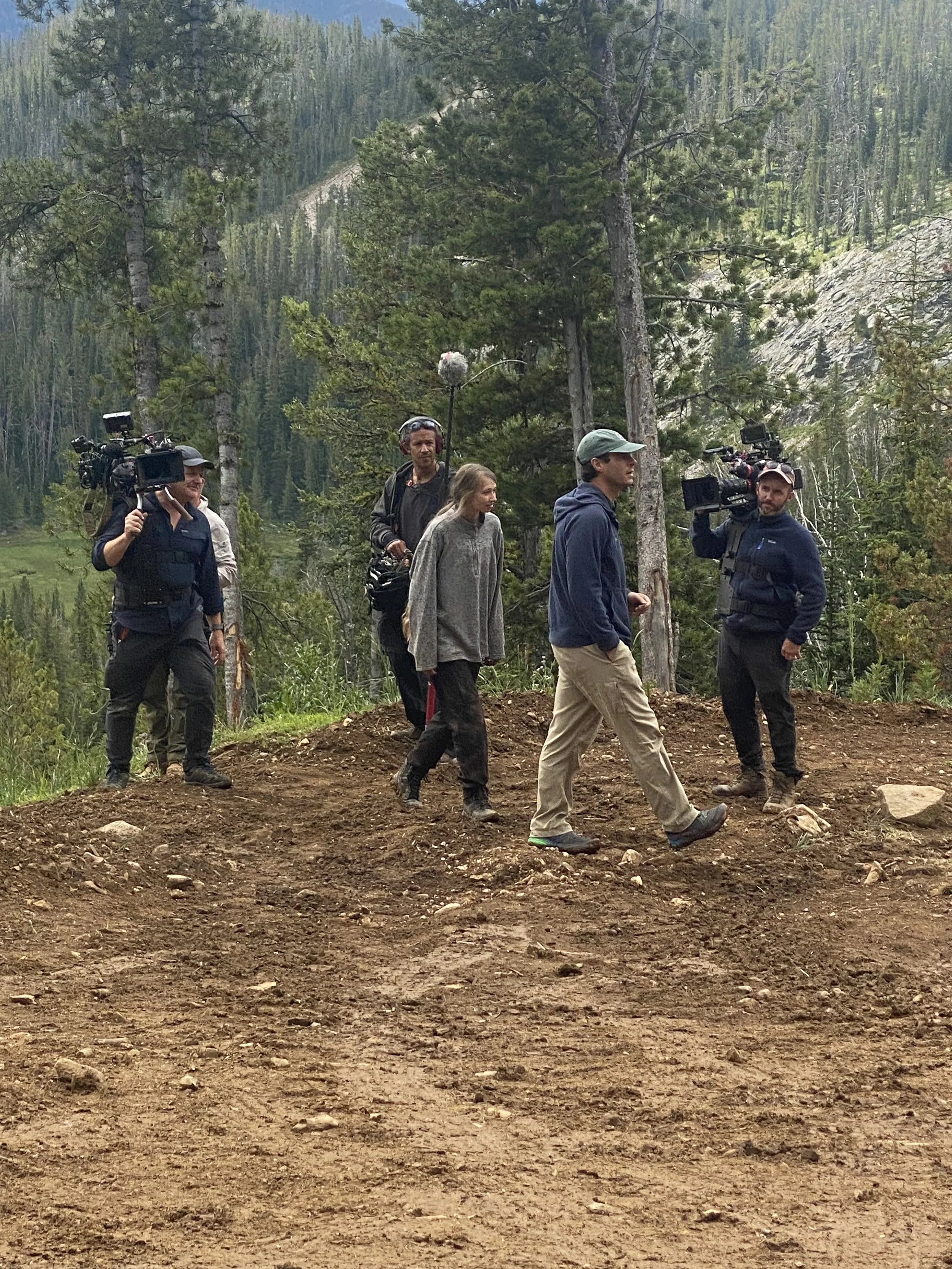
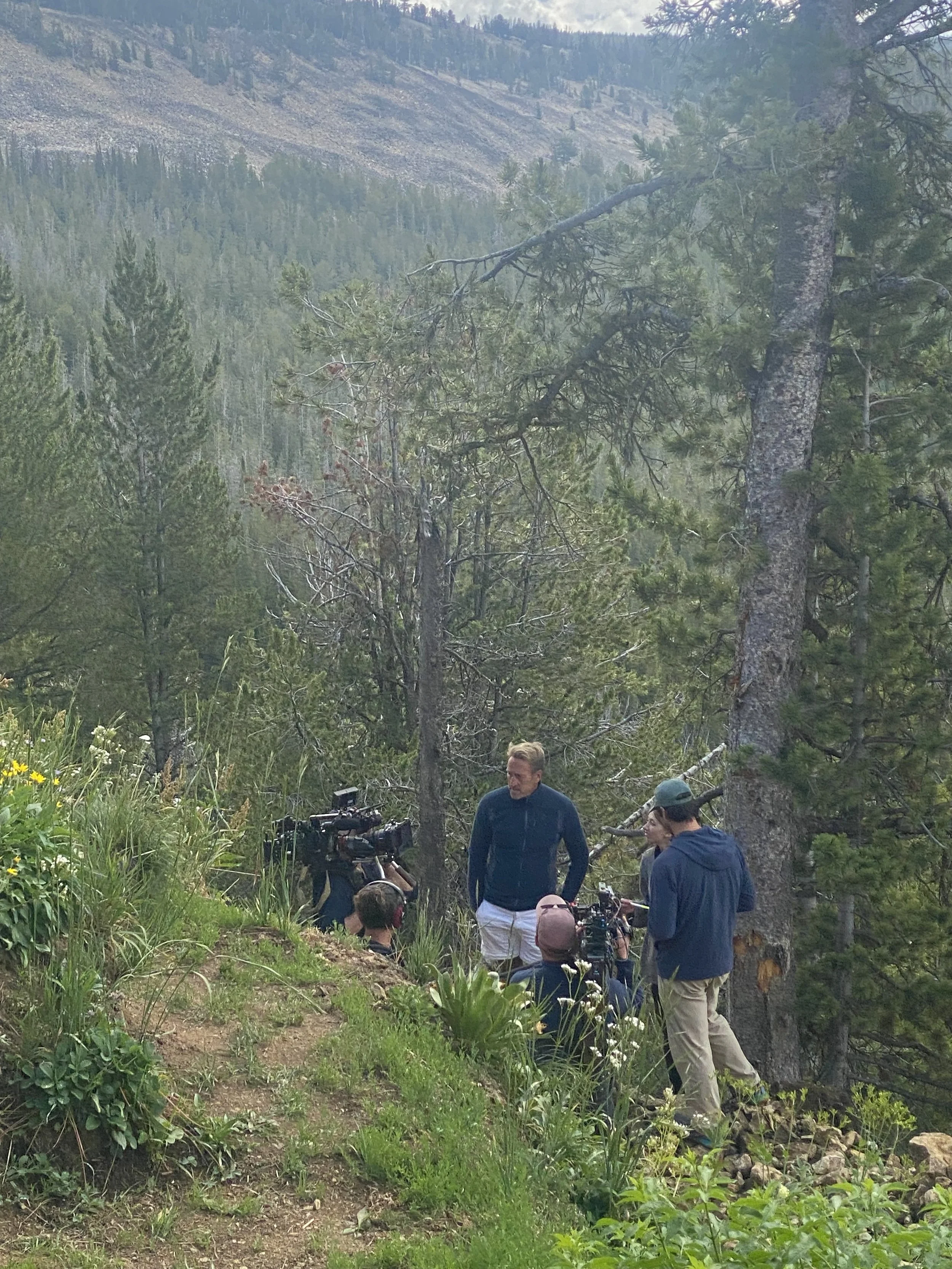
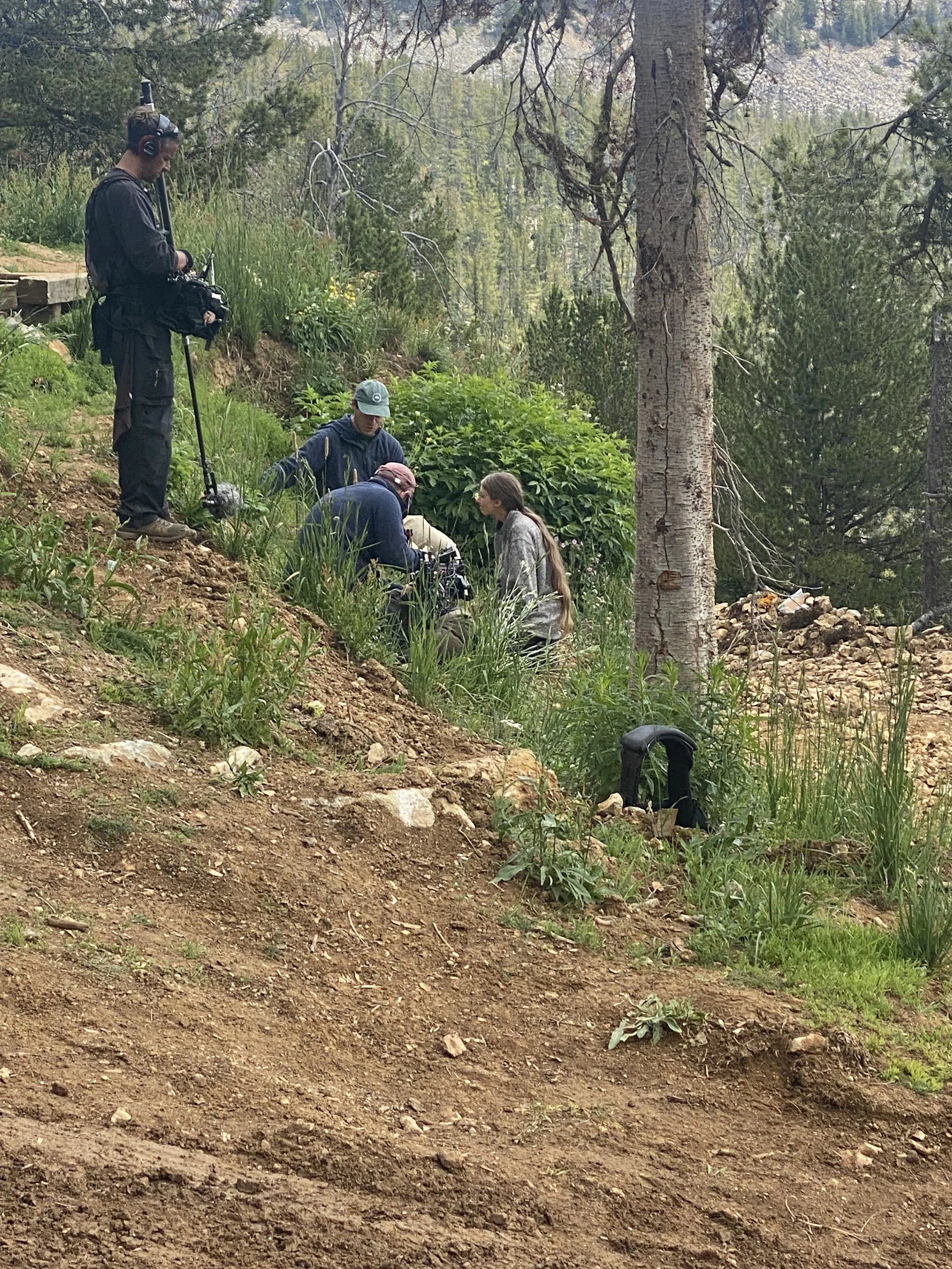
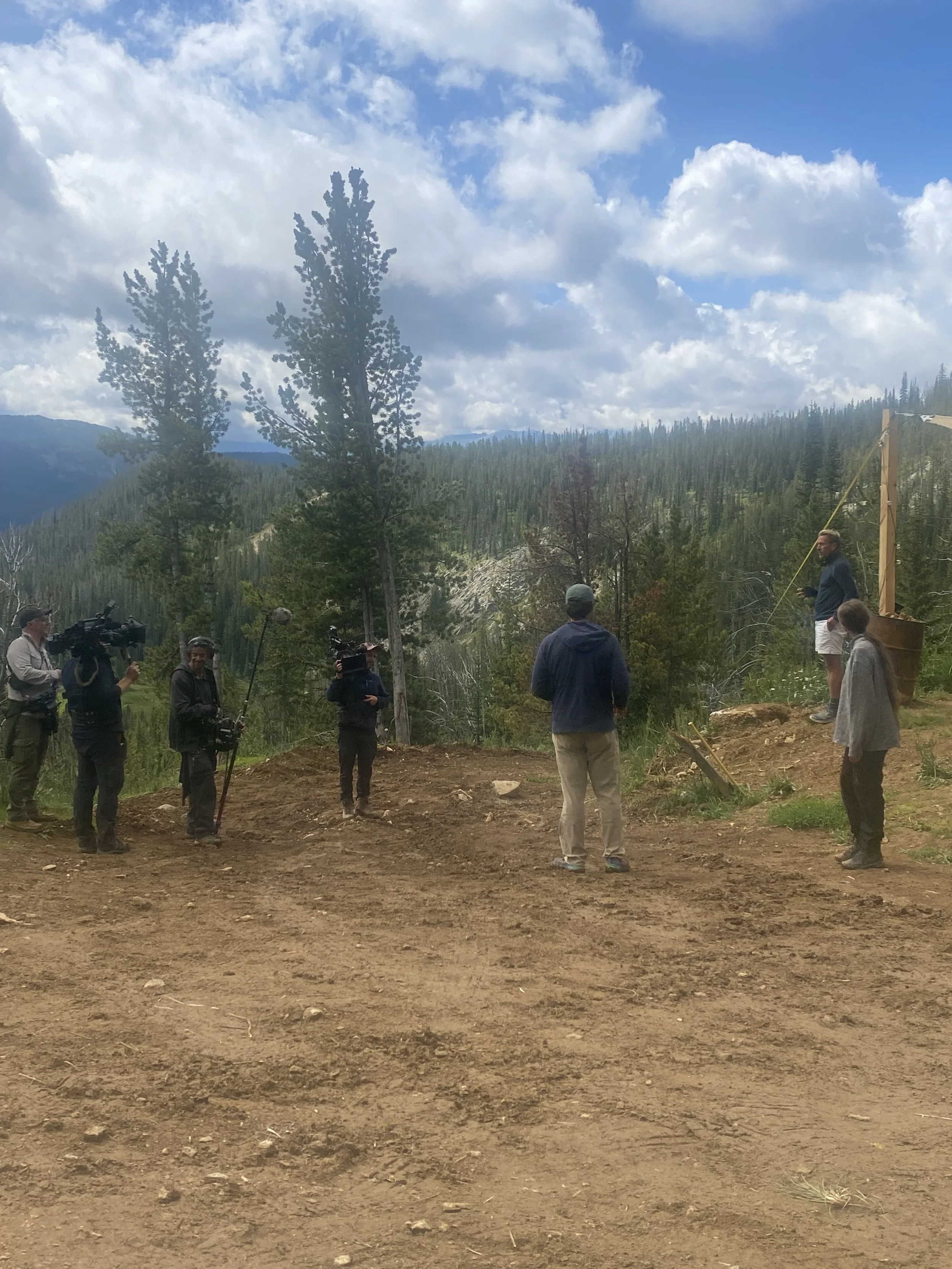
Our next-door neighbors on the same ridge are William Moore and his wife — a successful water-rights scientist and a practicing physician. Their child has a great relationship with our kids. William is also an extreme skier who has personally scouted and named every backcountry ski run in the area.
One of the most influential waterfowl biologists of the 20th century. Spent over 50 years pioneering waterfowl population counts still used today, helped restore wood duck populations, exposed the dangers of lead poisoning in birds, and authored Ducks, Geese, and Swans of North America — still a global reference. Lectured internationally, including at the University of Cambridge.
The simplicity you see now isn't a lack of education or exposure. It's a choice. Different doesn't mean disconnected — the classroom just has better views. And occasionally skis.
About Las Vegas — and the 19 years in between
The show spent time on Alisa's past as an adult entertainer in Las Vegas — but what it didn't explain is that Las Vegas was nineteen years ago. That chapter mattered. But it wasn't the end of the story. It was the very beginning of a much longer one.
After leaving, our family didn't settle into comfort or routine. We built several expedition-style vehicles and spent years crisscrossing America — often far from paved roads — visiting most of the U.S. National Parks, whitewater rafting, kayaking, mountain biking, and traveling through remote places that most people only see on maps.
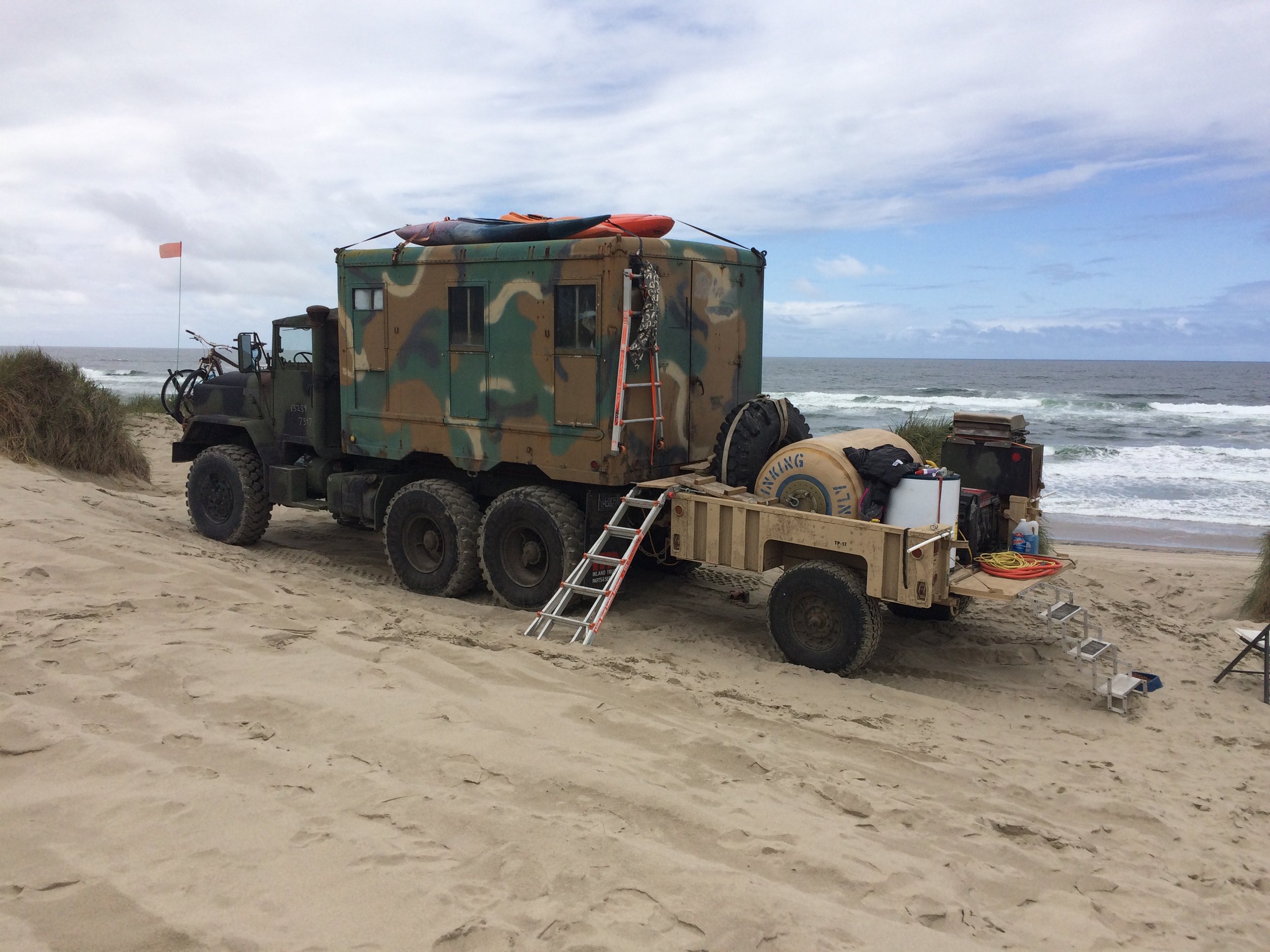
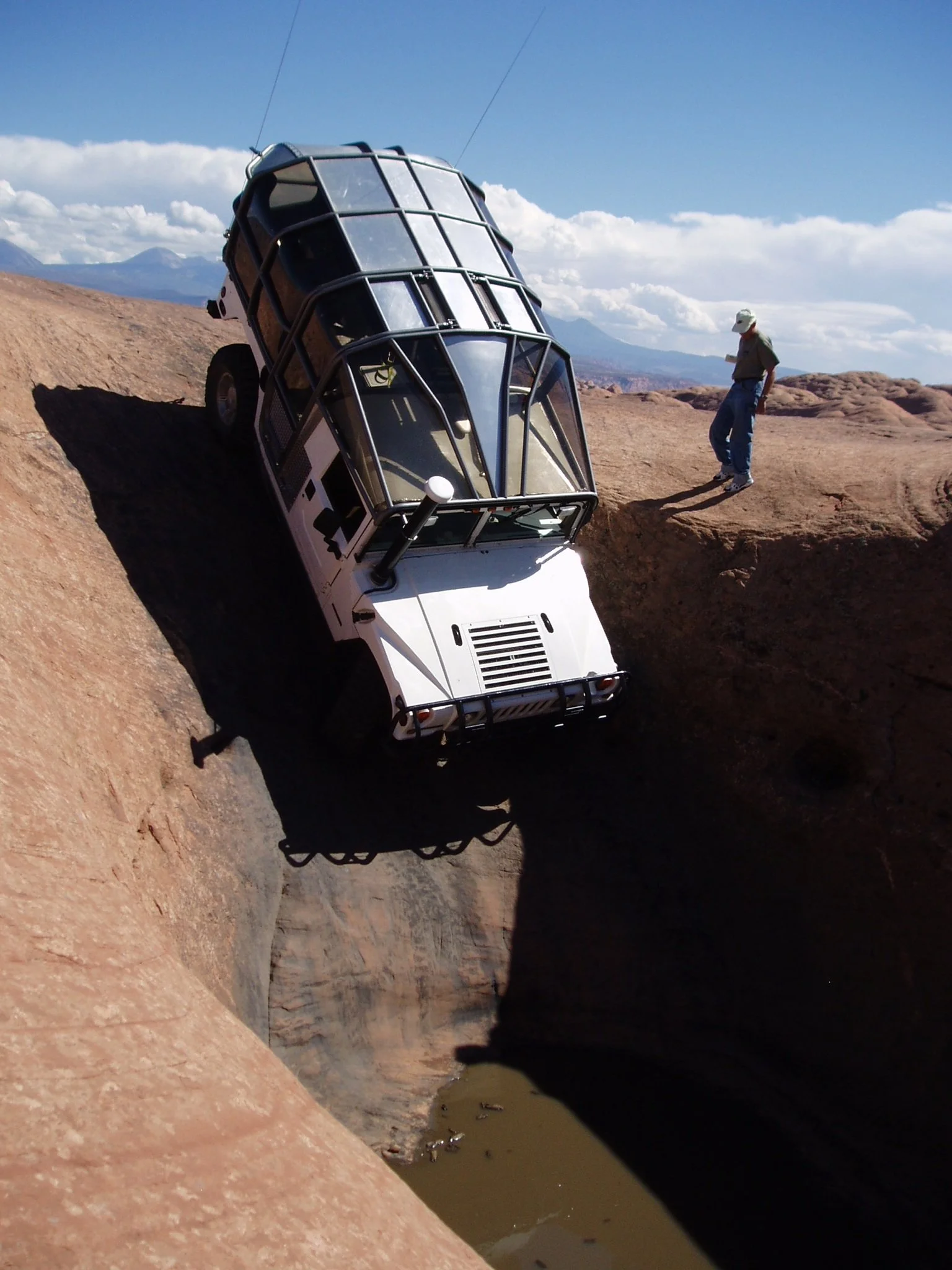
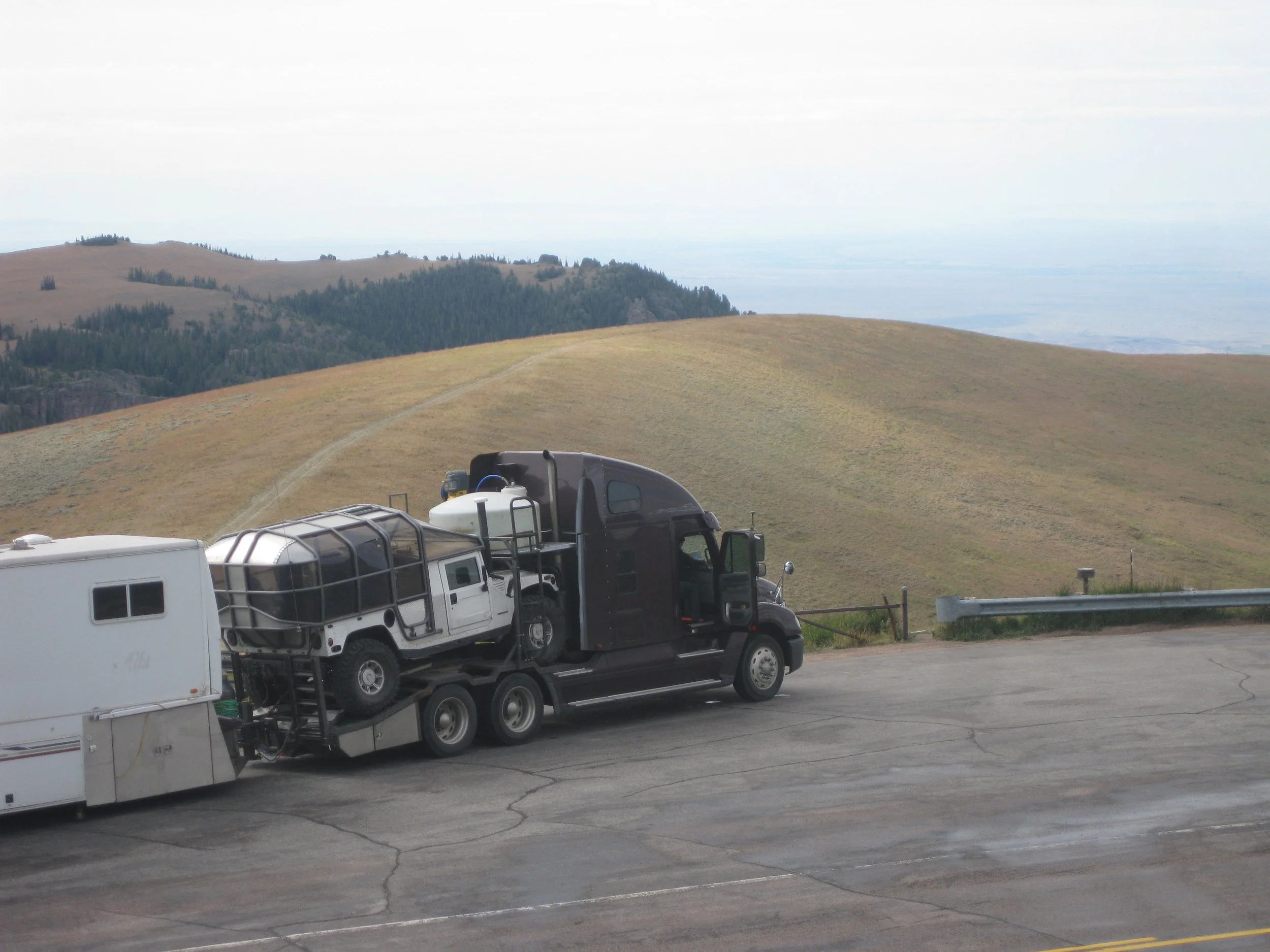
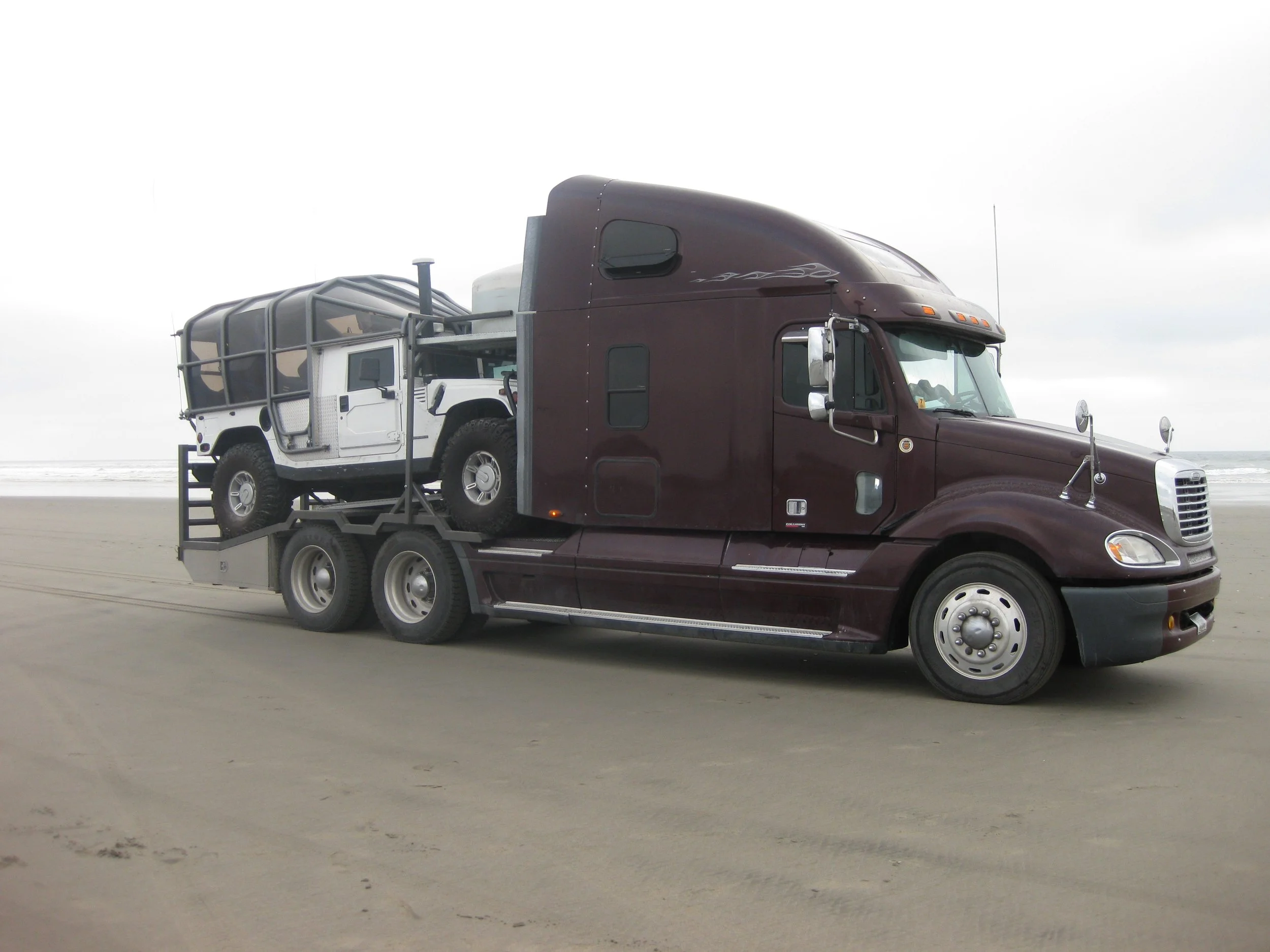
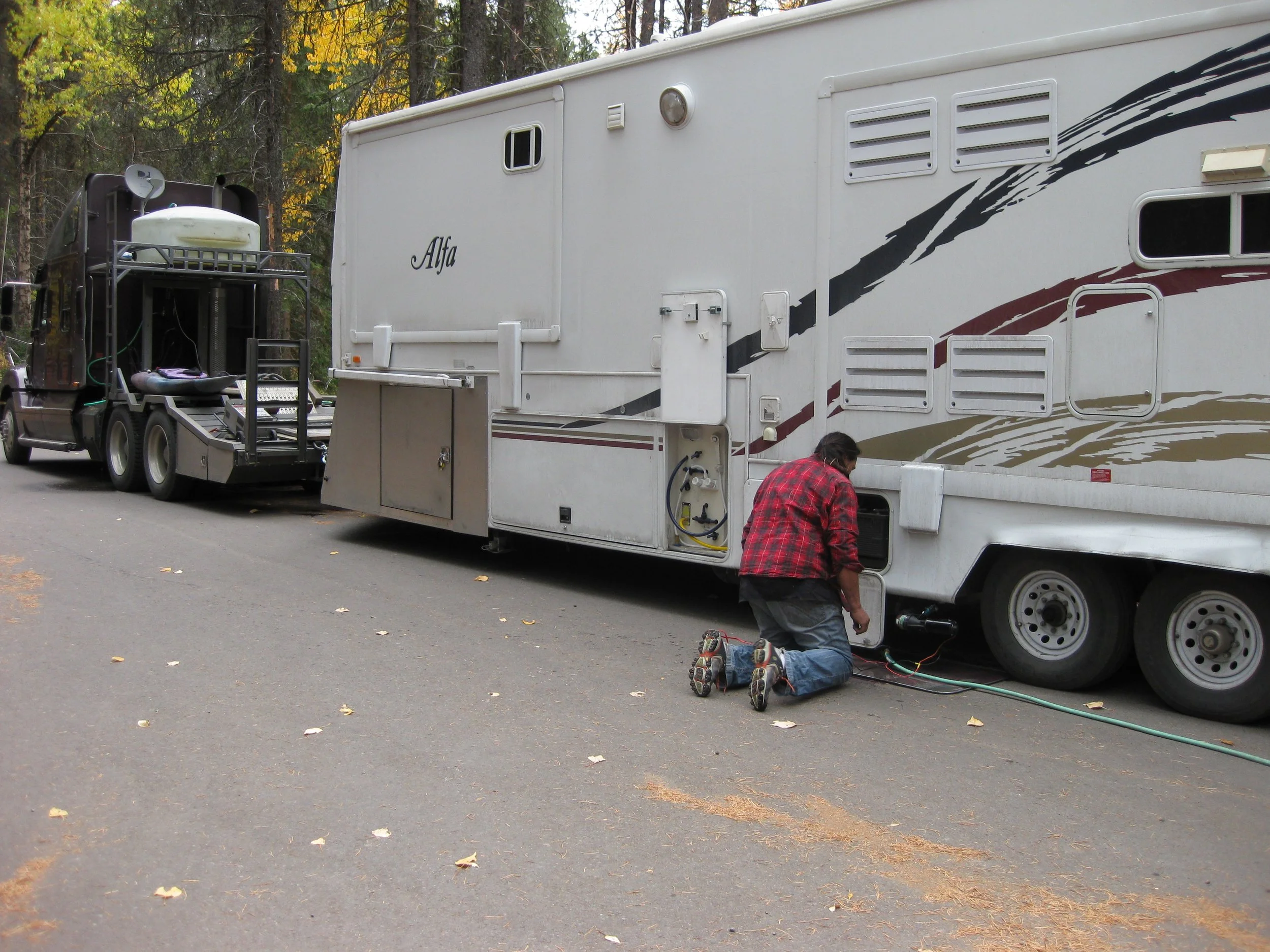
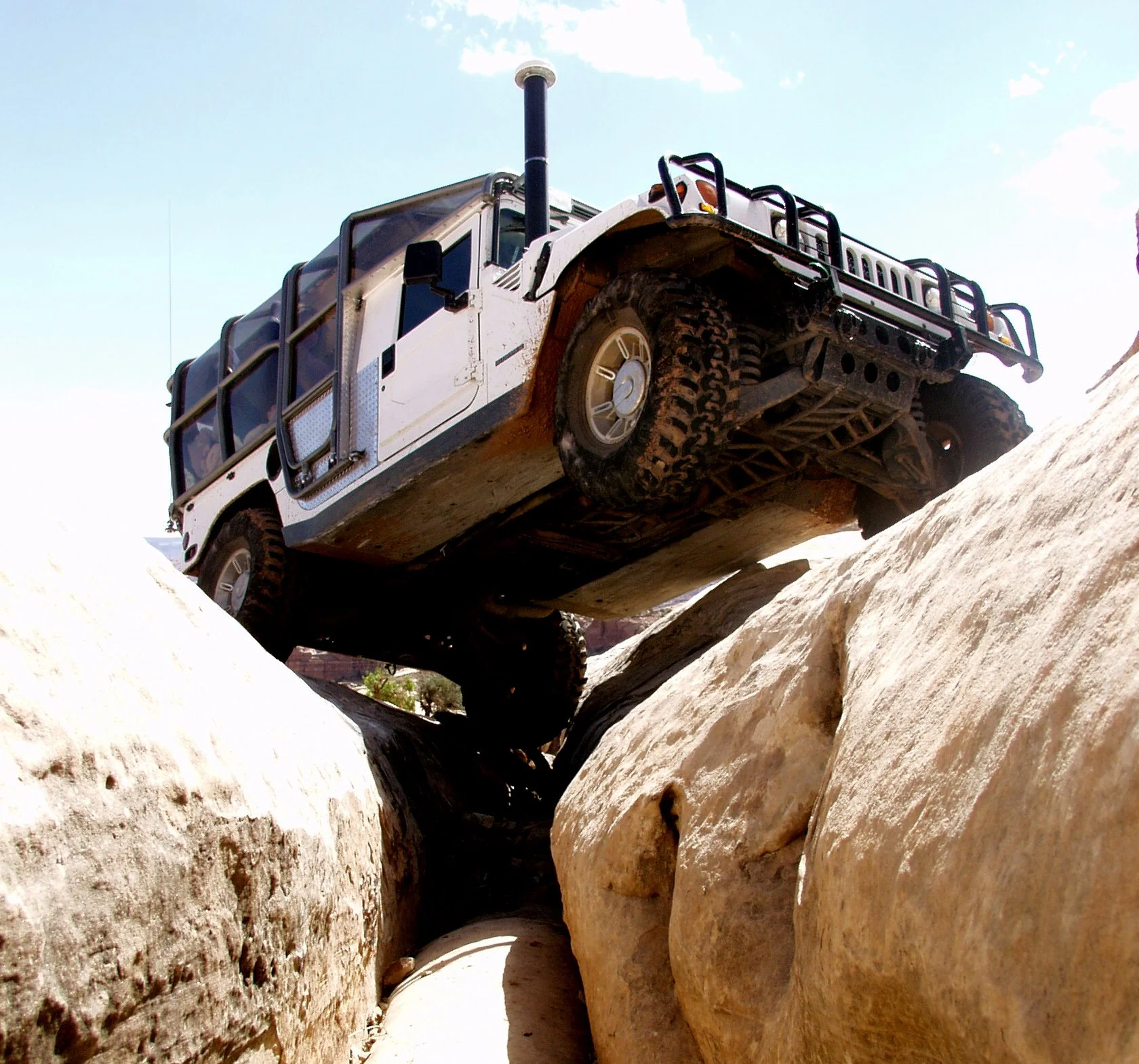
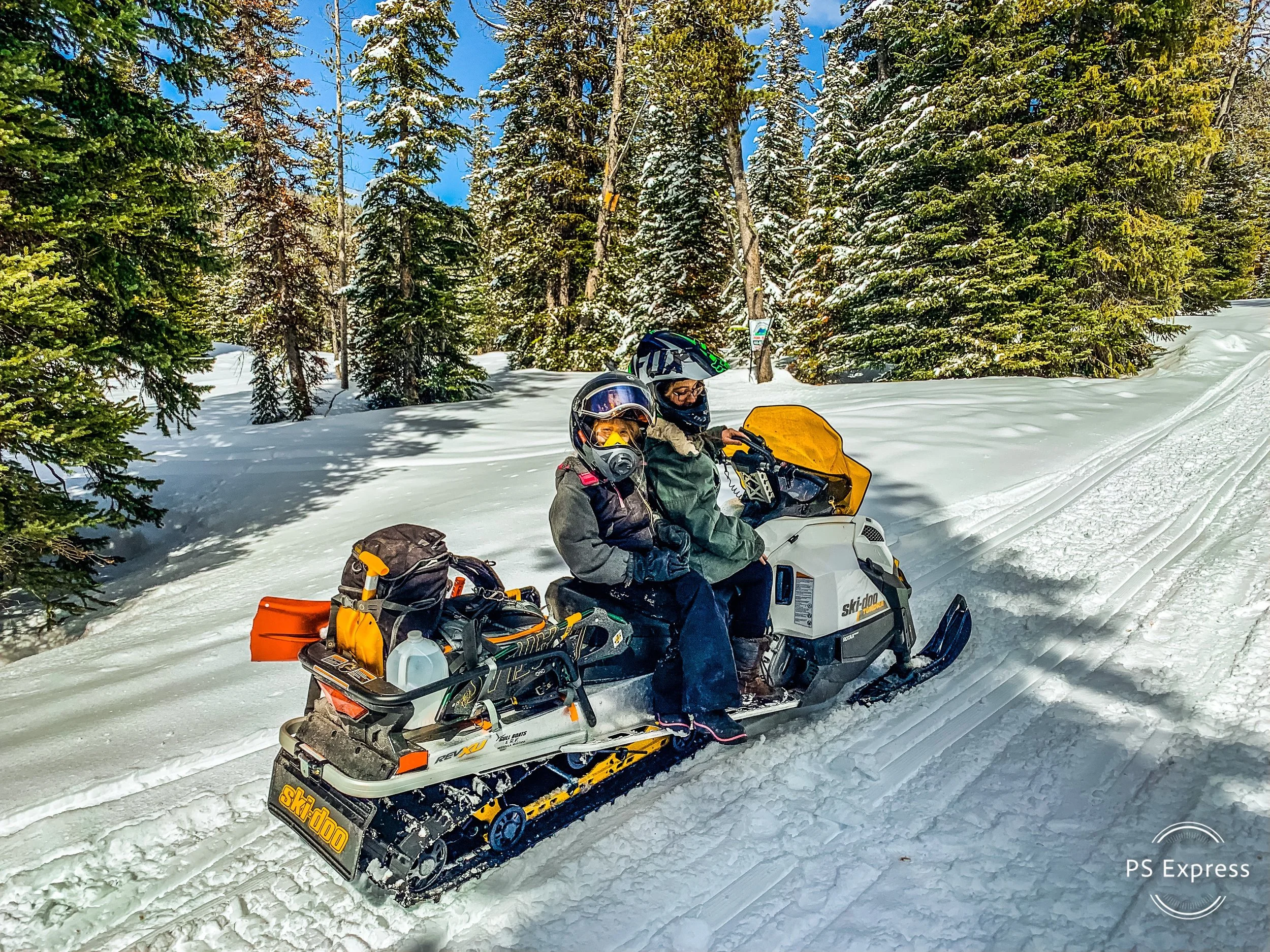
Those years weren't a pause between lives. They were training — how to live small, adapt quickly, fix things ourselves, navigate uncertainty, and stay calm when plans fall apart. In many ways, that long stretch of exploration is what truly prepared us for what we're doing now.
→ Expedition Portal Notes → 30,000-mile family adventure on Instagram
What Alisa gave up — and why she still doesn't have her house yet
Alisa doesn't have her "house" yet — not because of poor planning or bad luck, but because of a very deliberate choice. Instead of buying real estate early and settling, Alisa chose to invest in time, experience, and shared memory. For sixteen years of constant adventure, she gave her family something harder to measure than square footage: several hundred thousand miles of life on the road.
Those sixteen years shaped our kids, prepared us for remote living, and quietly trained us for what we're doing now. Elev8150 isn't a sudden leap. It's the natural continuation of a life already lived outside the margins.
The biggest plot point the show missed: Alisa's twenty-year curve
Perhaps the largest arc that New Lives in the Wild simply didn't have time to tell was the magnitude of the curve Alisa made over the last two decades. Alisa didn't just change locations. She changed direction.
She went from a highly material, image-driven world to one defined by movement, discomfort, risk, and exploration. From adult entertainer in Las Vegas to extreme traveler and adventure-driven explorer — logging hundreds of thousands of miles across the United States, often far from pavement, cell service, or certainty.
That kind of transformation isn't tidy. It doesn't come without psychological cost, identity shifts, or moments that feel uncomfortable. Reinventing yourself often looks messy from the outside. But it builds depth.
The Alisa you see today is not a reinvention for television. She is the result of twenty years of lived experience, risk-taking, parenting on the road, and choosing growth over safety — again and again. That curve matters. It may be the most important part of the story.
We'd rather be understood than perfectly packaged
A television episode can only show so much. Real life is longer, messier, funnier, scarier, and more meaningful than a clean edit allows.
If you watched Ben Fogle: New Lives in the Wild Season 21 and felt curious, inspired, confused, or skeptical — that's fair. What you saw was real. It just wasn't complete.
If "less is more" resonates with you, you're probably our kind of people.
The Elev8150 off-grid lodge is being built at 8,150 feet near Anaconda, Montana, in the Flint Creek Mountain Range adjacent to Discovery Ski Area and Georgetown Lake. The project is founded by Brandon and Alisa Bellrose, featured by Victron Energy as an off-grid case study, covered exclusively by the UK Mirror, and followed globally after the BBC Channel 5 broadcast.